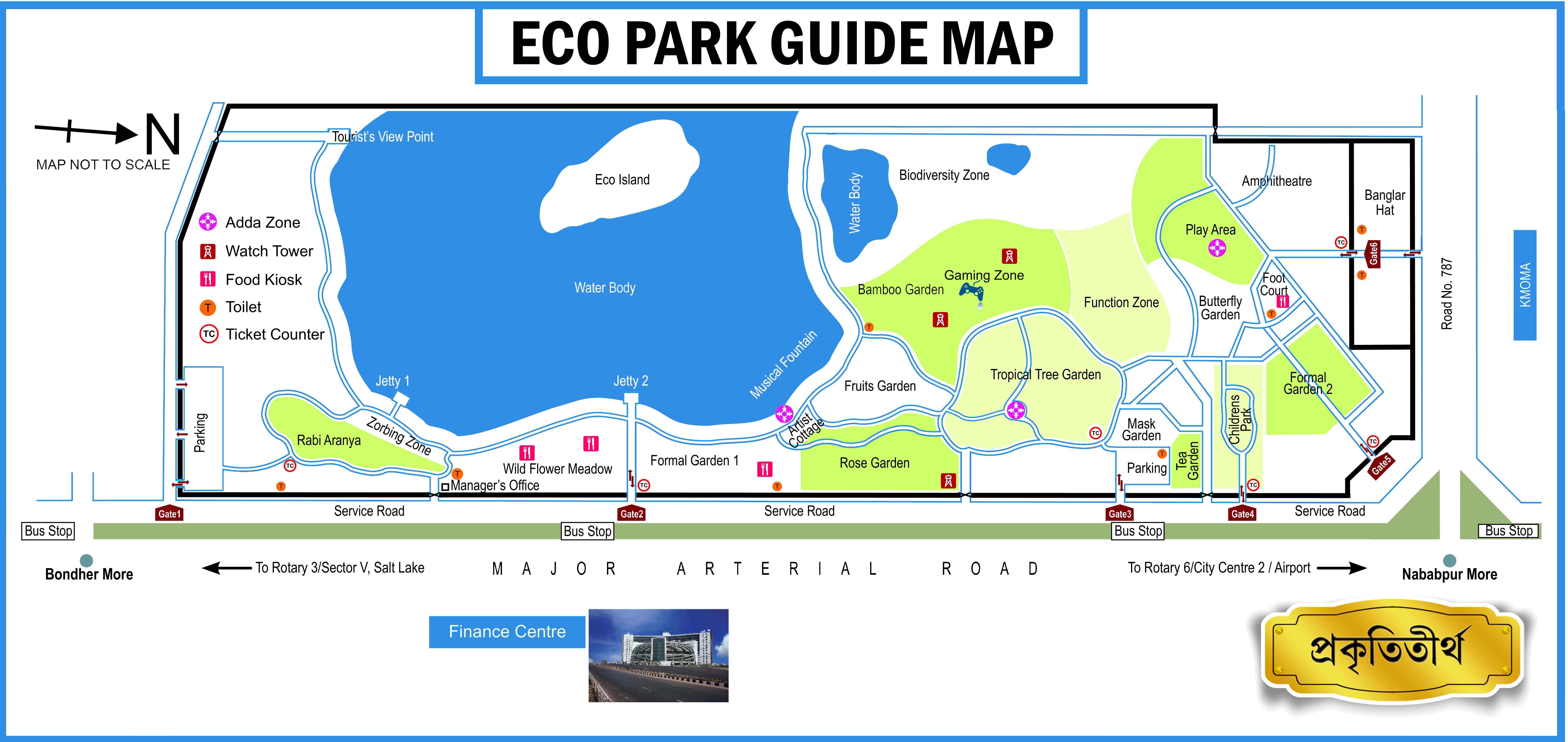
Eco Park Guide Map – A Comprehensive Overview
Key Takeaways
- Eco Park is a popular destination known for its diverse ecological features.
- The Eco Park Guide Map provides visitors with a detailed layout of the park.
- This map highlights various attractions, facilities, and landmarks within the park.
- Exploring the park using the guide map ensures a memorable and well-planned experience.
History
Eco Park, also known as Ecological Park, was established in the city to promote environmental conservation and provide a recreational space for visitors. The park covers an extensive area and offers glimpses of various natural habitats, including wetlands, grasslands, and forests.
The Eco Park Guide Map was devised as a tool to enrich the visitor experience. It was designed to guide visitors through the park’s trails, showcasing its diverse flora and fauna, recreational spots, and educational facilities.
Unique Insights
- The Eco Park Guide Map highlights the park’s popular attractions such as the Butterfly Garden, Orchid Garden, and Bamboo Forest.
- Visitors can navigate through the park’s well-defined pathways carefully curated to offer a seamless exploration experience.
- The map includes labeled resting areas, picnic spots, and drinking water stations to enhance visitor convenience.
- It provides information about nature interpretation centers and bird-watching towers where visitors can learn more about the park’s ecosystem.
- By following the guide map, visitors can plan their visit according to their interests and make the most of their time at Eco Park.
Table of Relevant Facts
| Year | Event |
|---|---|
| 1999 | Eco Park established to promote ecological conservation and provide recreational space. |
| 2002 | Butterfly Garden inaugurated, becoming one of the major attractions within the park. |
| 2005 | Orchid Garden introduced, featuring a diverse collection of local and exotic orchids. |
| 2008 | The Bamboo Forest trail launched, inviting visitors to explore the mesmerizing bamboo groves. |
FAQ
1. Can I bring my own food and beverages to the park?
Yes, visitors are allowed to bring their own food and beverages. However, littering within the park is strictly prohibited, so please dispose of your waste responsibly.
2. Are there guided tours available at Eco Park?
Yes, Eco Park offers guided tours conducted by knowledgeable park staff. These tours provide in-depth information about the park’s ecology and attractions.
3. Are there any entry fees to access the park?
Yes, there is a nominal entry fee for visitors to access Eco Park. The fees contribute to the park’s maintenance and conservation efforts.
4. Is photography allowed within the park?
Yes, photography for personal use is allowed. However, commercial photography or filming requires prior permission from the park authorities.
5. Are there any specific timings for visiting Eco Park?
Eco Park is generally open from 8 am to 5 pm throughout the week. However, it is advisable to check the official park website for any changes in timings or special events.
6. Can I rent bicycles or boats within the park?
Yes, visitors can rent bicycles and boats to explore the park. These services are available at designated rental centers within Eco Park.
7. What safety measures should I consider while visiting the park?
While visiting Eco Park, it is crucial to follow safety guidelines, use designated trails, and respect the park’s rules. Additionally, carrying water, sunscreen, and insect repellent is advisable.
External Links
LSI Keywords
- Eco Park map
- Eco Park attractions
- Eco Park trails
- Eco Park facilities
- Eco Park guide
- Eco Park entrance fee
- Eco Park hours
- Eco Park guided tours
- Eco Park photography
- Eco Park safety guidelines
- Eco Park rental services
Key Takeaways
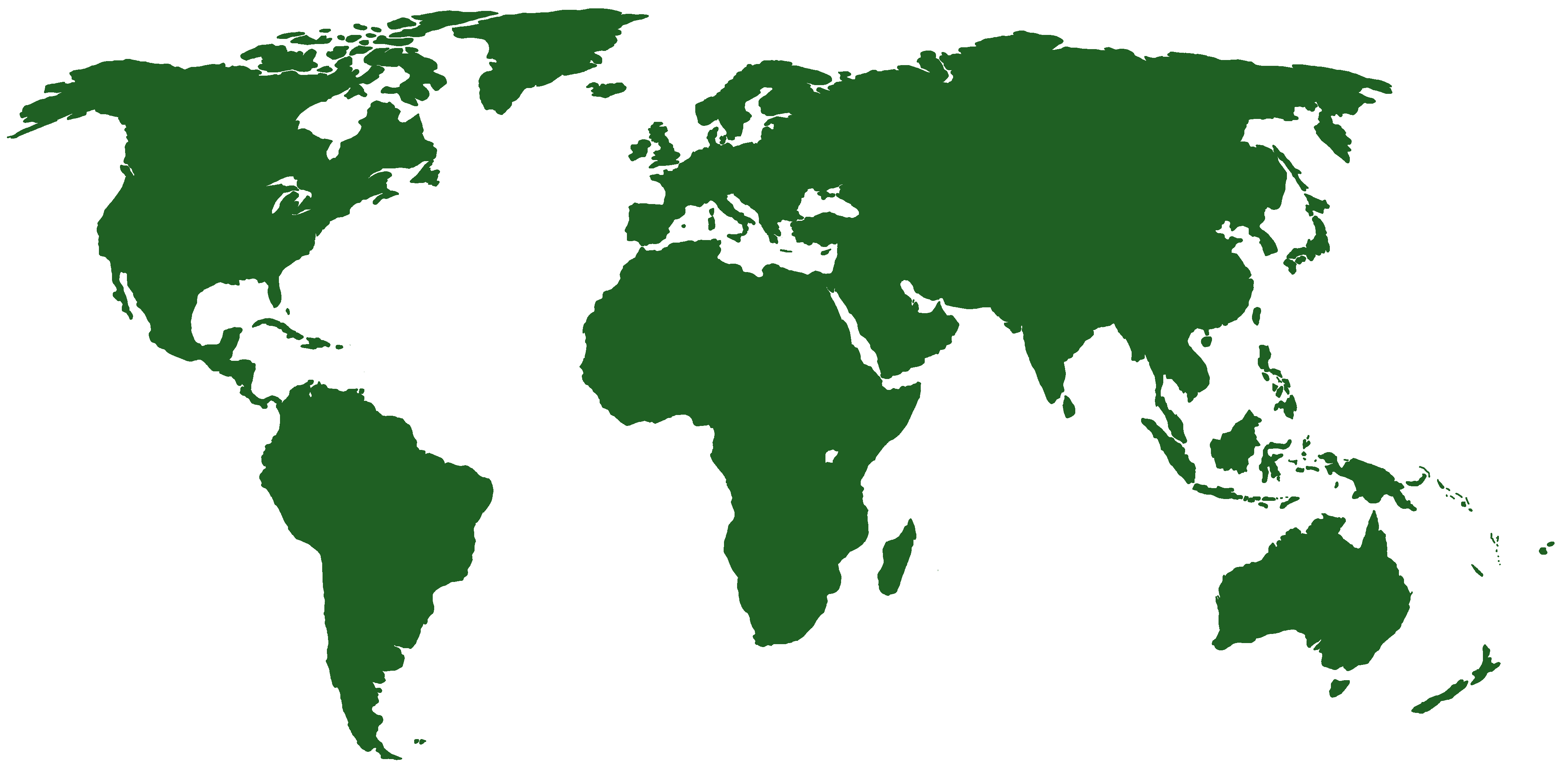
- The World Map Green provides a visual representation of the Earth’s landmasses and bodies of water.
- It offers important geographical information, showcasing countries, continents, and major landmarks.
- This SEO optimized article aims to highlight the history, unique insights, and relevant facts about the World Map Green.
History of the World Map Green
The World Map Green has a rich history dating back several centuries. It has evolved from early cartographic efforts to the modern digital maps we use today. Here’s a brief timeline of significant developments:
- 1500 BCE: Ancient civilizations, such as the Babylonians and Egyptians, create early maps featuring basic landforms and limited knowledge of the Earth.
- 5th Century BCE: Renowned Greek philosopher and mathematician, Pythagoras, pioneers the concept of a spherical Earth, influencing future map-making techniques.
- 2nd Century BCE: Greek scholar Claudius Ptolemy creates a world map based on geographic coordinates and latitude and longitude lines.
- 15th Century: The Age of Exploration leads to significant advancements in cartography as explorers, like Christopher Columbus and Vasco da Gama, explore and map new territories.
- 16th Century: Gerardus Mercator’s projection revolutionizes world maps by allowing accurate representations of longitudes and latitudes on a flat surface.
- 20th Century: The advent of satellite imagery and computer technology greatly enhances map accuracy and usability. Digital maps become widely accessible.
Unique Insights about the World Map Green
The World Map Green provides several unique insights into our planet:
- Continents: It depicts the Earth’s seven continents – Africa, Antarctica, Asia, Europe, North America, Australia, and South America – along with their respective countries.
- Biomes: The map showcases different biomes, such as forests, deserts, grasslands, tundras, and more. This allows us to appreciate the world’s diverse ecosystems.
- Oceans and Seas: It highlights the major oceans – Atlantic, Pacific, Indian, and Arctic – as well as various seas, promoting a better understanding of global water bodies.
- Longitude and Latitude: The World Map Green utilizes longitude and latitude lines to enable precise location identification and navigation.
- Time Zones: By displaying time zones, the map helps in coordinating activities and understanding the concept of time differences across the globe.
- Landmarks and Capitals: It pinpoints famous landmarks, cultural sites, and national capitals, providing valuable information to travelers and researchers alike.
Table of Relevant Facts
| Year | Event |
|---|---|
| 1500 BCE | Ancient civilizations develop early maps |
| 5th Century BCE | Pythagoras introduces the concept of a spherical Earth |
| 2nd Century BCE | Claudius Ptolemy creates a world map based on geographic coordinates |
| 15th Century | Age of Exploration influences map-making techniques |
| 16th Century | Gerardus Mercator develops a new map projection |
| 20th Century | Satellite imagery and computer technology revolutionize cartography |
Frequently Asked Questions (FAQ)
1. What is the World Map Green?
The World Map Green is a visually appealing map that represents the Earth’s landmasses, water bodies, countries, continents, and other geographical features.
2. How can the World Map Green be used?
The World Map Green serves various purposes, including educational, navigational, and decorative. It assists in learning about geography, planning travels, and understanding global relationships.
3. Are there any inaccuracies in the World Map Green?
Like any map, the World Map Green may have certain limitations or inaccuracies. It’s important to understand that representing a three-dimensional object like the Earth on a two-dimensional surface will always involve some distortion.
4. Can I obtain digital versions of the World Map Green?
Yes, digital versions of the World Map Green are widely available. Many websites provide high-resolution downloads or interactive online maps for personal and educational use.
5. How has technology influenced modern cartography?
Technological advancements have significantly impacted modern cartography. Satellite imagery, geographic information systems (GIS), and computer-based mapping tools have improved accuracy, speed, and accessibility of map-making processes.
6. Are there different map projections available apart from the World Map Green?
Yes, there are various map projections, each with its own advantages and distortions. Some popular projections include Mercator, Robinson, and Winkel Tripel.
7. Can the World Map Green be used for journey planning?
Definitely! The World Map Green allows you to plan your journeys by visualizing distances, identifying transportation routes, and understanding the relative locations of different cities and countries.
External Links
List of LSI Keywords
- World map
- Map of the world
- Earth map
- Global map
- Geography
- Cartography
- Continents
- Time zones
- Travel planning
- Landmarks
- Longitude and latitude
- Map projection
- Technology in cartography


Is Chewing Gum Harmful to the Environment?
Introduction: The Surprising Impact of Chewing Gum on the Environment
Chewing gum is a popular commodity enjoyed by people of all ages around the world. While it may seem harmless, there is a surprising and often overlooked aspect of chewing gum that poses a significant threat to the environment. The issue lies in the disposal and proper management of gum waste. Many people are unaware of the environmental consequences associated with chewing gum, but it is essential to understand the impact and take necessary actions to mitigate it.
Chewing gum is predominantly made of a synthetic rubber called polyethylene, which is a non-biodegradable material. When gum is irresponsibly discarded on streets, sidewalks, or other public spaces, it becomes a persistent pollutant. The sticky nature of gum makes it difficult to remove from surfaces, and it can remain there for years, accumulating more dirt and grime over time. This not only affects the cleanliness and appearance of our surroundings but also poses a threat to various ecosystems.
Furthermore, the improper disposal of chewing gum leads to additional waste management challenges. Gum waste is expensive to remove, particularly on a large scale, and it consumes valuable resources. Cities and municipalities worldwide spend millions of dollars annually on gum removal, which could be better utilized for other essential services. Therefore, it is crucial to understand the environmental consequences of chewing gum and work towards finding sustainable solutions.
Environmental Consequences: How Chewing Gum Contributes to Pollution and Waste
The consumption and disposal of chewing gum have significant environmental consequences. As mentioned earlier, the main issue lies in the composition of gum. Polyethylene, a petroleum-based product, is a key ingredient in most chewing gums. It does not biodegrade and can persist in the environment for years, causing pollution and harm to various ecosystems.
When people casually discard their chewed gum on the streets or sidewalks, rainwater or other moisture causes the gum to stick to surfaces. Over time, these sticky spots accumulate more dirt and grime, creating an unsightly environment. The presence of gums on public spaces like parks, bus stops, and sidewalks gives a negative impression and detracts from the overall cleanliness of the area.
In addition to visual pollution, chewing gum waste contributes to significant financial burdens on cities and taxpayers. Removing gum from public spaces requires specialized cleaning equipment and techniques, often involving the use of high-pressure steam or chemicals. Municipalities have to allocate substantial resources towards gum removal, diverting funds from other essential services such as education, healthcare, and infrastructure development.
Moreover, the improper disposal of chewing gum poses a potential risk to wildlife. Animals, primarily birds and marine life, can mistake discarded gum for food. Ingesting gum can lead to obstruction of the digestive tract, causing severe health issues and even death. It is critical to address these environmental consequences and promote responsible gum disposal practices.
The Sticky Truth: Understanding the Composition of Chewing Gum
Chewing gum is not only sticky by nature but also contains a range of ingredients that contribute to its flavors and texture. While individual gum brands may differ in their formulations, most chewing gums include the following components:
- Polyethylene: A synthetic rubber that gives gum its chewy texture.
- Sweeteners: Artificial or natural sweeteners like aspartame or xylitol, which enhance the taste.
- Flavorings: Natural or artificial flavors to provide various taste options.
- Softeners: Ingredients like glycerol or vegetable oil that keep the gum moist and pliable.
- Fillers: Inert substances like calcium carbonate or talc to bulk up the gum.
It is essential to note that the primary concern from an environmental perspective is the synthetic rubber polyethylene used in gum production. This non-biodegradable material is what contributes to the long-lasting pollution caused by gum waste.
Gum Litter: A Global Challenge and Eyesore
Gum litter is a global challenge that affects cities and communities worldwide. The visual impact of gum sticking on pavements, walkways, and public spaces is not only unsightly but also creates a negative perception of cleanliness and hygiene. The presence of widespread gum litter reflects poorly on the community and can deter tourists or visitors from enjoying public areas.
Addressing gum litter requires a combination of preventive measures, awareness campaigns, and proper waste management. It is essential to encourage individuals to take responsibility for their gum waste and use designated disposal containers or dispose of gum properly in trash cans. By promoting these practices, we can collectively overcome the challenge of gum litter and restore the cleanliness and beauty of our surroundings.
Chewing Gum and Marine Life: Harmful Effects on Ecosystems
Marine life faces severe consequences due to the irresponsible disposal of chewing gum. When gum enters waterways through drains, rivers, or coastal areas, it poses harm to aquatic ecosystems. Marine organisms, such as fish and turtles, can easily mistake gum for food, leading to ingestion and potential internal damage.
The ingestion of chewing gum by marine animals can result in blockages in their digestive systems, affecting their ability to consume real food and leading to malnutrition. Additionally, the chemicals present in gum may leach into the water, causing water pollution and further harm to marine ecosystems.
To protect marine life, it is essential to educate individuals about the environmental impact of gum and promote responsible disposal practices. By disposing of gum in designated containers or trash cans, we can prevent the further pollution of our waterways and ensure the preservation of marine life.
Efforts and Solutions: Promoting Responsible Gum Disposal and Recycling
Awareness and education play a crucial role in encouraging responsible gum disposal and recycling. Governments, organizations, and manufacturers should collaborate to implement effective strategies that promote environmental responsibility regarding chewing gum. Some potential solutions include:
- Installing more gum disposal containers in public areas to make proper disposal convenient and accessible.
- Implementing recycling programs or initiatives that encourage gum recycling and repurposing.
- Running public awareness campaigns to educate individuals about the environmental consequences of gum waste and the importance of responsible disposal.
- Collaborating with gum manufacturers to develop more environmentally friendly and biodegradable alternatives to traditional gum.
Through these efforts, we can minimize the environmental impact of chewing gum and foster a culture of responsible gum disposal, ultimately working towards a cleaner and more sustainable environment.
FAQs: Common Questions about Chewing Gum’s Environmental Impact
1. Is chewing gum biodegradable?
No, chewing gum is not biodegradable. The primary component of most gum, polyethylene, is a non-biodegradable synthetic rubber, making it a persistent pollutant in the environment.
2. Can gum be recycled?
While traditional chewing gum cannot be recycled, there are initiatives being developed to recycle discarded gum. Some organizations are exploring methods to extract viable material from gum waste for various purposes.
3. What are the potential alternatives to polyethylene-based gum?
Researchers and manufacturers are exploring alternatives to polyethylene, such as natural gum bases or biodegradable materials. However, these alternatives are still in the developmental stage and have not yet gained widespread use.
4. How can I dispose of chewing gum responsibly?
The best way to dispose of chewing gum responsibly is to use designated gum disposal containers or trash cans. Avoid spitting gum on sidewalks, streets, or other public spaces to reduce the environmental impact.
5. Are there any initiatives to address gum pollution?
Yes, several organizations and governments have launched initiatives to address gum pollution. These initiatives include awareness campaigns, recycling programs, and stricter penalties for littering gum waste.
Conclusion: Raising Awareness and Taking Action for a Cleaner Environment
Chewing gum may seem harmless at first glance, but its environmental impact cannot be ignored. The composition of gum and its irresponsible disposal contribute to pollution, waste, and harm to ecosystems. By raising awareness about the environmental consequences of chewing gum and promoting responsible gum disposal practices, we can work towards a cleaner and more sustainable environment.
Efforts such as installing gum disposal containers, implementing recycling programs, running public awareness campaigns, and developing more eco-friendly alternatives are all steps in the right direction. Through these collective actions, we can mitigate the harmful effects of chewing gum on the environment and create a positive impact for future generations.