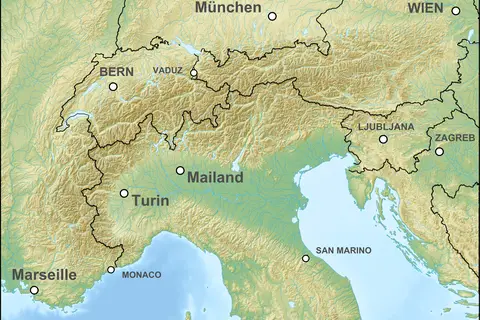
Alps Location Map
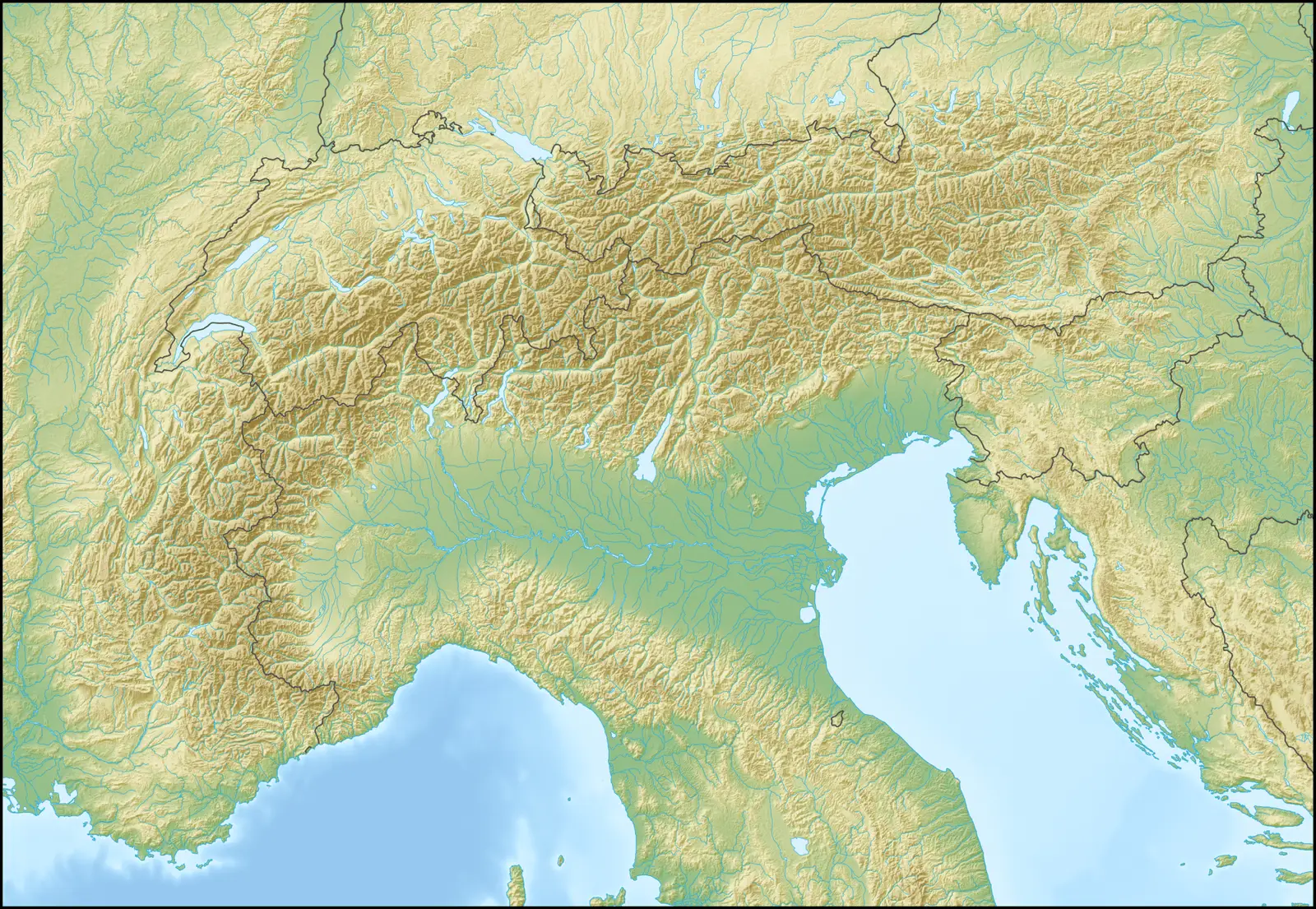
Click or tap the map to enlarge it.
Alps Location Map
Key Takeaways
- The Alps Location Map highlights the geographical positioning of the Alps mountain range in Europe.
- It showcases the countries and regions that the Alps encompass, including France, Italy, Switzerland, Austria, and Slovenia.
- The map provides valuable insights into the vastness and majestic beauty of the Alps, making it a cherished destination for adventurers and nature lovers.
- Understanding the geography of the Alps is crucial for planning outdoor activities, hiking trails, skiing resorts, and exploring the rich cultural heritage of the surrounding areas.
History
The Alps mountain range, widely known as “the roof of Europe,” stretches across several countries and attracts millions of tourists each year. Covering a significant portion of Central Europe, the Alps are a captivating natural wonder with a rich geological and historical background.
The formation of the Alps dates back millions of years, arising from the collision of the African and Eurasian tectonic plates. This collision resulted in the uplift of massive mountain chains and the creation of the majestic landscape we witness today.
The Alps have been inhabited by various civilizations throughout history, each leaving their mark on the region. The ancient Romans established vibrant trading routes and built impressive structures, while medieval castles and monasteries dot the mountainside, showcasing the architectural wonders of the past.
Unique Insights
- The Alps are home to several popular ski resorts, including Chamonix in France and Zermatt in Switzerland, attracting winter sports enthusiasts from all over the world.
- The European Alps are known for their vast network of hiking trails, providing adventurers with opportunities to explore the magnificent alpine landscapes and breathtaking views.
- The region is renowned for its diverse flora and fauna, with many endemic species found only in the Alps.
Table of Relevant Facts
| Year | Event |
|---|---|
| 1848 | The Alpine Convention is signed, aiming to protect the environment and foster sustainable development in the Alps. |
| 1865 | First ascent of the Matterhorn, one of the iconic peaks in the Swiss Alps. |
| 1924 | The first Winter Olympic Games are held in Chamonix, France. |
| 1992 | Vienna Declaration calls for the protection and sustainable development of the Alps. |
Frequently Asked Questions (FAQ)
-
What countries are covered by the Alps Location Map?
The Alps Location Map showcases countries including France, Italy, Switzerland, Austria, and Slovenia, which are home to the Alps mountain range.
-
What activities can I enjoy in the Alps?
The Alps offer a wide range of activities such as skiing, snowboarding, mountaineering, hiking, and exploring charming alpine villages.
-
Are there any endangered species in the Alps?
Yes, there are several endangered species in the Alps, including the Alpine ibex, European otter, and Apollo butterfly.
-
Which is the highest peak in the Alps?
Mont Blanc, located on the French-Italian border, is the highest peak in the Alps, standing at an elevation of 4,808 meters (15,774 feet).
-
Can I visit the Alps all year round?
Yes, the Alps are accessible throughout the year. However, the activities available may vary depending on the season. Winter is popular for skiing, while summer offers excellent hiking opportunities.
-
Are there any cultural landmarks in the Alps?
Yes, the Alps are home to numerous cultural landmarks, including historic castles, picturesque churches, and charming alpine towns, each with its own unique heritage.
-
Is it possible to explore the Alps by train?
Yes, there are several scenic train routes that pass through the Alps, offering breathtaking views of the mountains, valleys, and picturesque landscapes.