Europe Eastern Bloc Flag Map
Key Takeaways:
- The Europe Eastern Bloc Flag Map showcases the flags of the countries that were part of the Eastern Bloc during the Cold War.
- These countries were under the influence of the Soviet Union and adhered to a socialist system.
- The map provides a visual representation of the political and ideological divisions that existed during that time.
- Understanding the history and significance of the Eastern Bloc is crucial to comprehending the political dynamics in Europe during the Cold War era.
History
The Europe Eastern Bloc Flag Map represents a significant period in the history of Europe known as the Cold War, which lasted from approximately 1947 to 1991. During this time, the world was divided into two major ideological camps – the Western Bloc, led by the United States, and the Eastern Bloc, led by the Soviet Union.
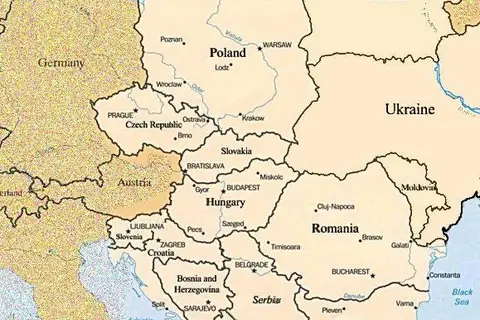
The Eastern Bloc consisted of several countries in Eastern and Central Europe that adhered to communism and were politically and economically aligned with the Soviet Union. The countries included in the Eastern Bloc were Albania, Bulgaria, Czechoslovakia, East Germany, Hungary, Poland, Romania, and Yugoslavia (later expelled from the Bloc in 1948).
The Europe Eastern Bloc Flag Map provides a visual representation of the flags of these countries during the Cold War era, symbolizing their affiliation with the Eastern Bloc.
It’s important to note that the borders and political dynamics in Europe have significantly changed since the fall of the Iron Curtain in 1989. Many of the Eastern Bloc countries gained independence and transitioned to market economies, while others went through political transformations.
Unique Insights
1. Symbolism: Each flag represented on the Europe Eastern Bloc Flag Map carried its own symbolism and meaning. Understanding the history and context behind each flag offers deeper insights into the ideology and values upheld by these countries during the Cold War.
2. Cold War Politics: The division between the Eastern Bloc and the Western Bloc had far-reaching implications, as it represented a global power struggle between the United States and the Soviet Union. The Europe Eastern Bloc Flag Map encapsulates this geopolitical tension.
3. Shifting Alliances: The Eastern Bloc countries were not monolithic entities, and their relationships with the Soviet Union often fluctuated. Examining the map allows us to see the dynamic nature of these alliances and the impact they had on the region.
4. Dissent Within the Bloc: Despite being part of the Eastern Bloc, some countries like Yugoslavia pursued a different socialist path, practicing a form of market socialism and maintaining a degree of independence from the Soviet Union. The presence of Yugoslavia in the map highlights such unique cases.
5. Legacy and Reunification: Since the fall of the Iron Curtain and the dissolution of the Soviet Union, many of the Eastern Bloc countries have gone through significant political, social, and economic changes. The map serves as a reminder of the historical journey and transformations these nations have undergone.
Table of Relevant Facts
| Country | Year of Joining Eastern Bloc | Year of Leaving Eastern Bloc |
|---|---|---|
| Albania | 1947 | 1991 |
| Bulgaria | 1947 | 1991 |
| Czechoslovakia | 1948 | 1991 |
| East Germany | 1949 | 1990 |
| Hungary | 1947 | 1991 |
| Poland | 1947 | 1989 |
| Romania | 1947 | 1989 |
| Yugoslavia | 1945 | Expelled from Bloc in 1948 |
Frequently Asked Questions (FAQ)
1. What was the purpose of the Eastern Bloc during the Cold War?
The Eastern Bloc aimed to establish socialist and communist systems in the countries under Soviet influence, as well as act as a buffer zone between the Soviet Union and the Western Bloc.
2. Were all Eastern Bloc countries treated equally by the Soviet Union?
No, the Soviet Union maintained varying degrees of control and influence over each country. Some countries had more autonomy, while others were more closely aligned with Soviet policies.
3. How did the Eastern Bloc countries interact with each other?
The Eastern Bloc countries had close political, economic, and military ties with each other. They often cooperated and facilitated trade among themselves.
4. Did any Eastern Bloc countries have conflicts with the Soviet Union?
While the Eastern Bloc countries generally aligned with the Soviet Union, there were instances of disagreements and conflicts over political and economic matters.
5. What led to the dissolution of the Eastern Bloc?
The Eastern Bloc dissolved due to various factors, including political upheavals, economic challenges, popular uprisings, and the weakening of the Soviet Union’s influence and power.
6. Are there any remnants of the Eastern Bloc in present-day Europe?
Some aspects of the Eastern Bloc’s legacy can still be observed in the political and cultural landscape of certain Eastern European countries. However, the region has undergone significant transformations since the Cold War era.
7. Can I visit the former Eastern Bloc countries?
Absolutely! The former Eastern Bloc countries are now popular tourist destinations, rich in history, culture, and picturesque landscapes. However, it is advised to be mindful of the region’s complex past and the societal changes that have taken place.