Hawaii National Parks Map
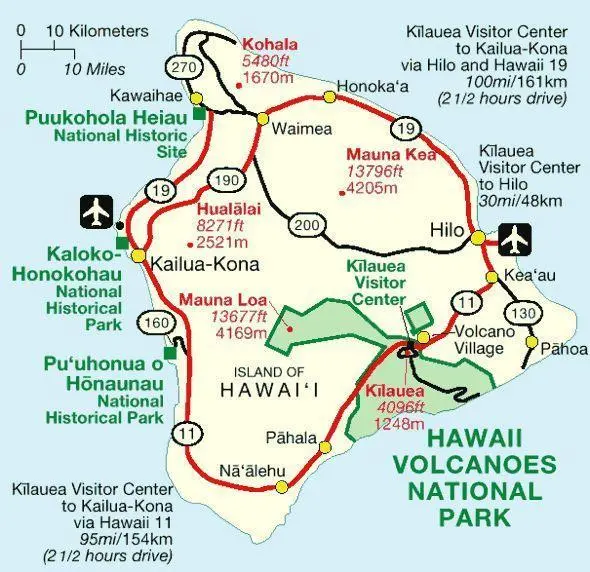
Click or tap the map to enlarge it.
Key Takeaways
- Hawaii National Parks boast stunning natural beauty and rich biodiversity.
- The map provides an overview of various national parks across the Hawaiian islands.
- Hawaii National Parks offer numerous recreational activities, including hiking, snorkeling, and camping.
- Each park has its unique features, such as volcanic landscapes, rare wildlife, and cultural heritage sites.
- Exploring the diverse national parks in Hawaii is a must for nature enthusiasts and adventure seekers.
History
The Hawaii National Parks have a rich history that dates back to ancient times. The islands were formed through volcanic activity millions of years ago, creating unique landscapes and ecosystems. The native Hawaiians recognized the significance of these natural wonders and preserved them through cultural practices and legends.
In 1916, the United States Congress established the Hawaii National Park, which initially included only two areas: Haleakala National Park on Maui and Hawaii Volcanoes National Park on the Big Island. In subsequent years, additional national parks were designated, showcasing the remarkable diversity of the Hawaiian islands.
Unique Insights
1. Volcanic Wonder: Hawaii Volcanoes National Park is home to the active Kilauea volcano, one of the most active volcanoes in the world. Visitors can witness the raw power of nature and explore lava tubes, craters, and unique geological formations.
2. Marine Paradise: Hanauma Bay Nature Preserve on Oahu offers breathtaking snorkeling opportunities. The bay is teeming with colorful coral reefs and abundant marine life, making it a must-visit destination for underwater enthusiasts.
3. Cultural Heritage: Pu’uhonua o Honaunau National Historical Park on the Big Island preserves ancient Hawaiian traditions and sacred sites. Visitors can learn about the cultural significance of the area and experience traditional ceremonies.
4. Wildlife Haven: The remote Papahānaumokuākea Marine National Monument encompasses the Northwestern Hawaiian Islands, providing sanctuary for endangered species like Hawaiian monk seals, green sea turtles, and iconic seabirds.
Relevant Facts
| Year | Event |
|---|---|
| 1916 | Establishment of the Hawaii National Park |
| 1961 | Hawaii National Park split into Haleakala National Park and Hawaii Volcanoes National Park |
| 1978 | Pu’uhonua o Honaunau designated as a National Historic Park |
| 1980 | Haleakala National Park expanded to include the Kipahulu area |
| 2000 | Papahānaumokuākea Marine National Monument established |
FAQ
1. Can I camp in the Hawaii National Parks?
Yes, camping is allowed in several Hawaii National Parks, but specific rules and regulations may vary across different parks. Make sure to check with each park’s official website for camping guidelines and permits.
2. Are there any entrance fees for the Hawaii National Parks?
Yes, most Hawaii National Parks charge entrance fees. The fees contribute to the maintenance and preservation of the parks. However, there are also fee-free days throughout the year, so it’s worth checking the official park websites for more information.
3. What is the best time to visit the Hawaii National Parks?
The best time to visit the Hawaii National Parks is during the drier months from April to October. However, it’s essential to research the specific park you plan to visit, as weather and conditions can vary across the islands.
4. Can I swim in the volcanic craters?
No, swimming is not permitted in the volcanic craters for safety reasons. Volcanic activity can create hazardous conditions, and the water may contain dangerous chemicals and gases. Always follow park regulations and stay within designated areas.
5. Are there hiking trails in the Hawaii National Parks?
Yes, hiking is a popular activity in the Hawaii National Parks. Each park offers a variety of trails suitable for different skill levels and preferences. Be prepared with proper hiking gear and stay on designated paths to avoid damaging fragile environments.
6. Can I see lava flows in Hawaii?
While lava flows are a natural occurrence in Hawaii, their presence and accessibility can vary. Hawaii Volcanoes National Park on the Big Island is a prime location to witness active volcanic activity, including lava flows, but it’s essential to check the current conditions and safety guidelines before planning a visit.
7. Are pets allowed in the Hawaii National Parks?
Pets are typically not allowed within the boundaries of the Hawaii National Parks to protect the native ecosystems and wildlife. However, some parks may have designated areas where pets are permitted on leashes. It’s recommended to check the specific park’s regulations beforehand.