Map of Nato Countries
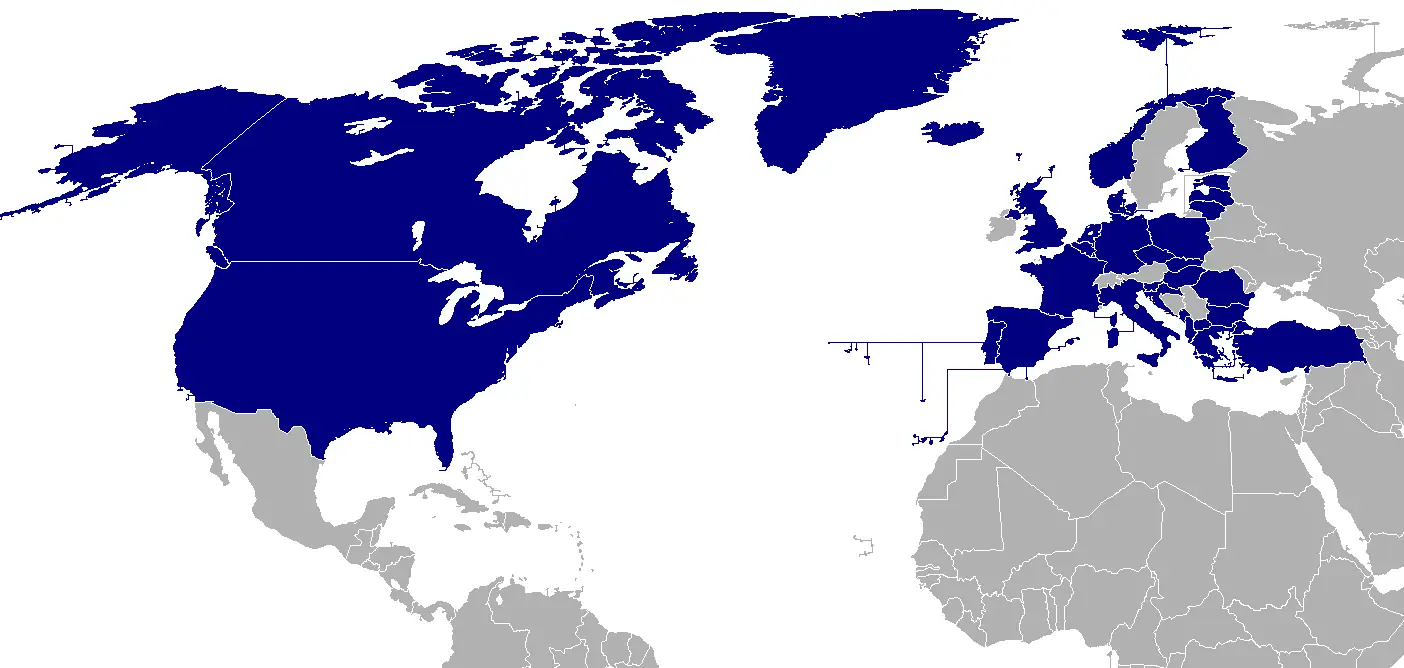
Click or tap the map to enlarge it.
Key Takeaways:
– The Map of NATO Countries showcases the member nations of the North Atlantic Treaty Organization (NATO).
– NATO is an intergovernmental military alliance formed to establish solidarity and cooperation among its member countries.
– The map provides a visual representation of the countries that collectively work towards promoting peace, security, and defense cooperation.
– Understanding the geographical distribution of NATO countries is essential for analyzing the organization’s strategic impact and global reach.
Introduction:
History of NATO:
The North Atlantic Treaty Organization, commonly known as NATO, was established on April 4, 1949. It originated from the North Atlantic Treaty, a mutual defense agreement signed by twelve founding members. The primary objective of NATO was to create a collective defense mechanism against the potential threat posed by the Soviet Union during the Cold War era.
Over the years, NATO underwent several enlargements, welcoming new member countries and expanding its influence across the globe. Today, NATO consists of 30 member nations spread across Europe and North America.
Unique Insights:
– The formation of NATO was a response to the instability and security concerns arising from post-World War II Europe.
– The organization played a crucial role in maintaining stability and deterrence throughout the Cold War period.
– NATO’s membership has evolved significantly since its inception, with the inclusion of former Eastern Bloc countries after the collapse of the Soviet Union. This expansion contributed to the organization’s efforts in ensuring peace, democracy, and security in the region.
– NATO countries collectively engage in military exercises, joint operations, and information sharing to enhance their defense capabilities and combat emerging threats.
– The geographic distribution of NATO member nations reflects the strategic importance of the North Atlantic region and highlights the organization’s commitment to promoting peace and stability worldwide.
Map of NATO Countries:
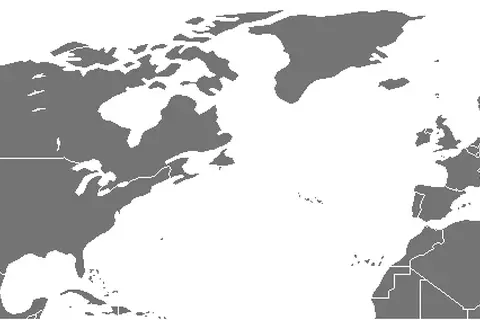
The map provided above showcases the member nations of NATO, spanning across Europe and North America. The boundaries and colors illustrate the countries that are part of this intergovernmental military alliance.
Table of Relevant Facts:
| Year | Event |
|---|---|
| 1949 | Founding members sign the North Atlantic Treaty, forming NATO. |
| 1955 | West Germany becomes a member, marking the first enlargement of NATO. |
| 1990 | With the reunification of Germany, East Germany is incorporated into NATO. |
| 1999 | NATO experiences its largest expansion to date, welcoming countries from Central and Eastern Europe. |
| 2004 | Seven additional countries, including the Baltic states, join NATO. |
| 2009 | Albania and Croatia become NATO members. |
| 2017 | Montenegro joins NATO as its 29th member. |
| 2020 | North Macedonia becomes NATO’s newest member. |
FAQ (Frequently Asked Questions):
1. What is the purpose of NATO?
NATO’s primary purpose is to establish and uphold collective defense among its member countries. It aims to safeguard the freedom and security of its members through political and military cooperation.
2. How many countries are part of NATO currently?
As of now, NATO consists of 30 member countries.
3. Can countries outside Europe join NATO?
While the majority of NATO’s member nations are from Europe, countries outside Europe can also join NATO if they meet the necessary criteria and receive approval from existing member states.
4. Does NATO engage in military operations?
Yes, NATO has engaged in various military operations throughout its history. These operations range from peacekeeping missions to combat missions and are conducted with the objective of promoting stability and security.
5. How does NATO make decisions?
NATO operates on the principle of consensus. Decisions are made collectively, and each member country has an equal say in the decision-making process.
6. Does NATO have a role in cybersecurity?
Yes, NATO recognizes the evolving threat landscape and acknowledges the significance of cybersecurity. It actively works to enhance its capabilities and promotes cyber defense among its member countries.
7. Can a country withdraw from NATO?
Yes, a member country can withdraw from NATO by notifying the organization’s governing body, the North Atlantic Council, of its intention to do so. However, no country has withdrawn from NATO thus far.