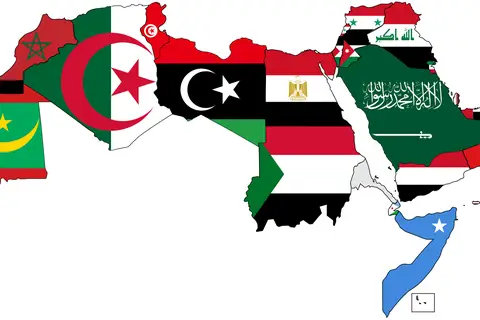
Map of the Arab World
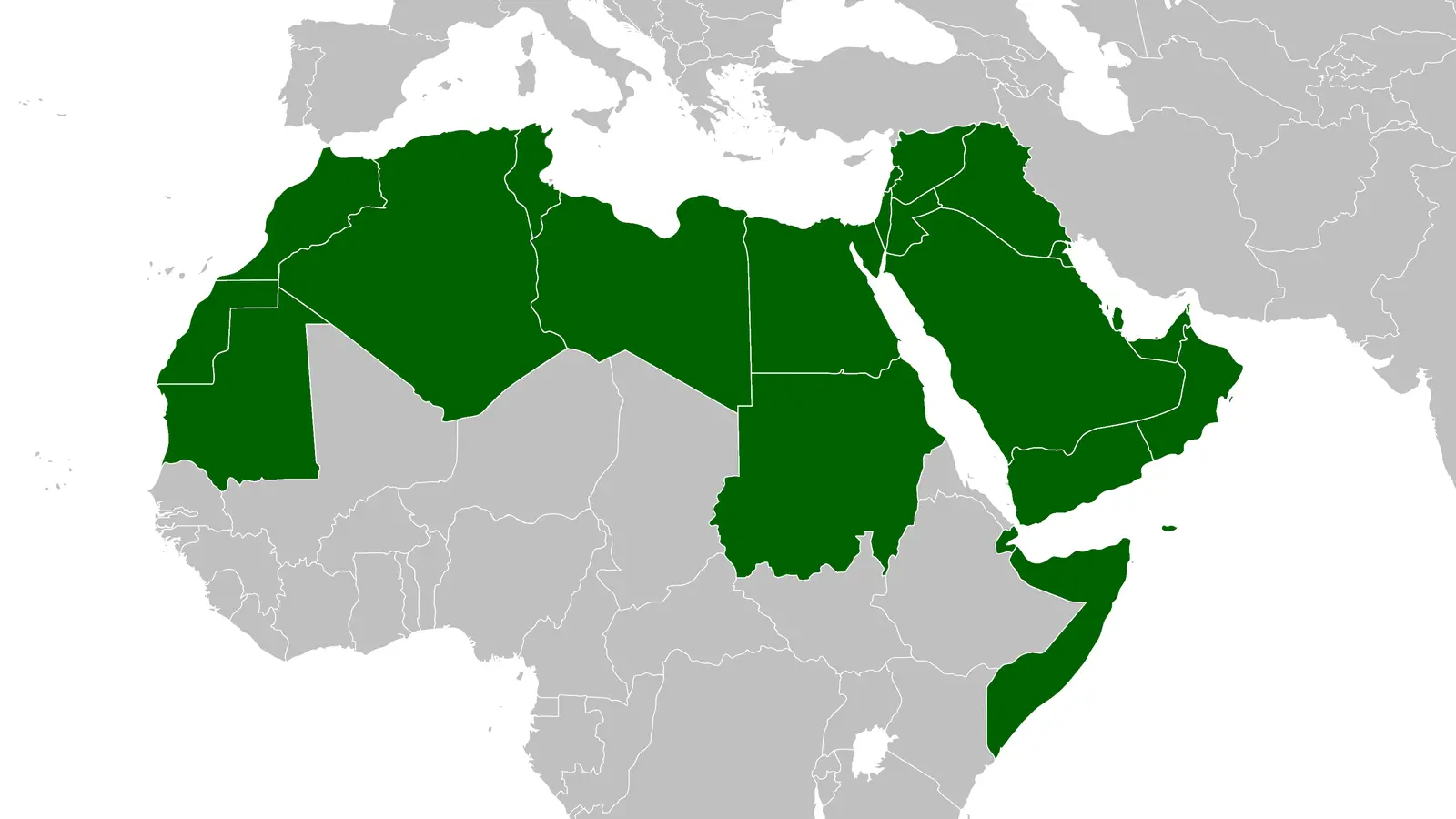
Click or tap the map to enlarge it.
Key Takeaways
- The Map of the Arab World showcases the geographical distribution of countries belonging to the Arab League.
- It provides valuable insights into the political, cultural, and historical aspects of the region.
- The Arab World is known for its rich heritage, diverse landscapes, and significant contributions to the global community.
- Understanding the Arab World’s geography helps develop a deeper appreciation for its complexity and the interconnectedness of its nations.
History
The Map of the Arab World dates back centuries, reflecting the historical developments and territorial changes that have shaped the region. The Arab World encompasses 22 countries that are members of the Arab League, an organization established in 1945 to promote closer ties and cooperation among Arab nations.
The Arab World has a profound historical significance, with roots tracing back to early civilizations such as the ancient Egyptians, Mesopotamians, and Phoenicians. Throughout history, the region witnessed the rise and fall of empires, including the Assyrians, Babylonians, Persians, Greeks, Romans, and the Islamic Caliphates. These influences have left indelible marks on the cultural and architectural landscapes of the Arab World.
Unique Insights
The Arab World is a diverse tapestry of cultures, languages, and religions. While the region is predominantly Arab-speaking and follows Islam, there are also significant populations of Kurds, Berbers, Assyrians, and other ethnic and religious groups. This diversity adds depth and richness to the Arab World’s cultural heritage.
The Arab World is characterized by a blend of ancient traditions and modern influences. Traditional practices, such as storytelling, calligraphy, music, dance, and gastronomy, are cherished and celebrated alongside modern advancements in technology, science, and innovation.
Historically, trade routes, such as the Silk Road and the Incense Route, passed through the Arab World, fostering commerce and cultural exchange. These routes connected the Middle East with Asia, Africa, and Europe, facilitating the exchange of goods, ideas, and knowledge.
Relevant Facts
| Year | Event |
|---|---|
| 7th Century | The Islamic Caliphates emerge, unifying much of the Arab World under a single rule. |
| 1517 | The Ottoman Empire expands its influence over the Arab World. |
| 1916 | The Sykes-Picot Agreement sets the stage for the division of the Arab territories between European powers. |
| 1945 | The Arab League is formed, consisting of 22 member states. |
| 1948 | Israel’s establishment leads to ongoing conflicts and disputes in the region. |
FAQ
1. What countries are included in the Arab World?
The Arab World consists of 22 countries, including Egypt, Saudi Arabia, Iraq, Jordan, Syria, Lebanon, Yemen, Oman, Kuwait, Bahrain, Qatar, and the United Arab Emirates, among others.
2. What language is predominantly spoken in the Arab World?
The dominant language spoken in the Arab World is Arabic. However, there are regional dialects and minority languages spoken by various ethnic groups.
3. What is the significance of the Arab World’s cultural heritage?
The Arab World’s cultural heritage is incredibly significant, as it has contributed to various fields, including literature, art, architecture, mathematics, astronomy, and medicine, shaping the foundation of human civilization.
4. What are some famous landmarks in the Arab World?
The Arab World boasts several iconic landmarks, including the Pyramids of Giza in Egypt, the Petra archaeological site in Jordan, the Burj Khalifa skyscraper in Dubai, and the Hassan II Mosque in Morocco.
5. How has trade influenced the Arab World?
Trade has historically played a vital role in the Arab World, fostering economic prosperity and cultural exchange. Ancient trade routes like the Silk Road have connected the region with other parts of Asia, Africa, and Europe.
6. What are the major religions in the Arab World?
The major religion in the Arab World is Islam. However, there are also significant Christian and minority religious communities present, including Druze, Yazidis, and others.
7. What are some current challenges faced by the Arab World?
The Arab World faces various challenges, including political instability, conflicts, socioeconomic disparities, and the impact of globalization on traditional values and cultural identity.