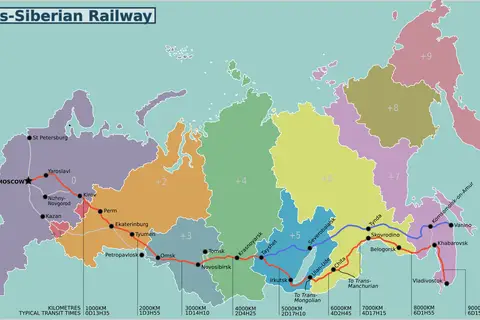
Map Transsiberian Railway
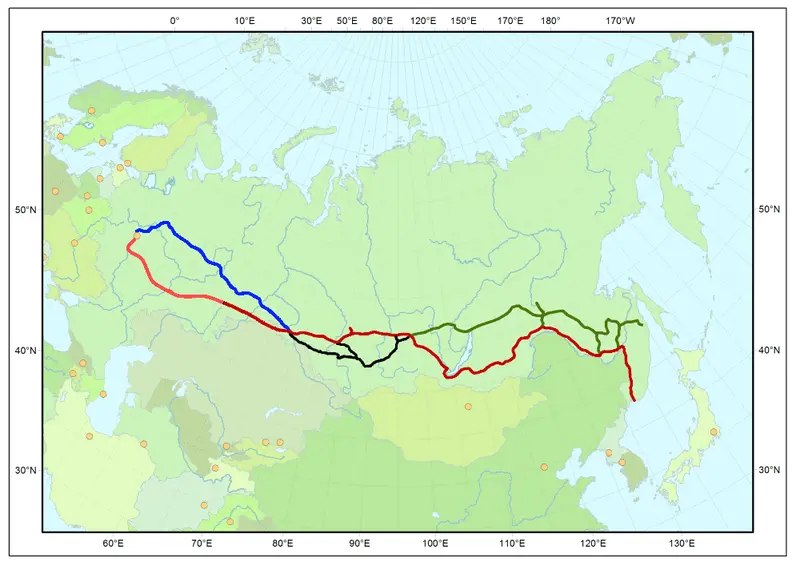
Click or tap the map to enlarge it.
Key Takeaways
- The Transsiberian Railway is a historic railway that spans across the vast expanse of Russia.
- It is the longest railway line in the world, covering approximately 9,289 kilometers.
- The construction of the Transsiberian Railway played a crucial role in connecting different regions of Russia and stimulating economic growth.
- The journey along the Transsiberian Railway offers breathtaking landscapes and an opportunity to explore diverse cultures.
- It is advisable to plan your journey in advance, considering your interests and the best time to travel.
History of the Transsiberian Railway
The Transsiberian Railway, also known as the Trans-Siberian Railroad, is a historic landmark and engineering marvel that stretches across Russia from Moscow to Vladivostok. The idea of building a railway to connect different parts of the vast Russian Empire was conceived in the 19th century.
The construction of the Transsiberian Railway started in 1891 and took over a decade to complete. It involved the efforts of thousands of laborers, engineers, and architects. The railway was built to promote trade, facilitate communication, and strengthen the influence of the Russian Empire in its eastern territories.
After its completion in 1916, the Transsiberian Railway became an essential transport route for both freight and passenger travel. It played a crucial role during the Russian Revolution and World War II, enabling the transportation of troops and supplies.
Unique Insights
During the construction of the Transsiberian Railway, several engineering challenges were faced. These challenges included crossing large rivers, navigating through rugged terrains, and withstanding extreme weather conditions. The construction teams had to build numerous bridges, tunnels, and stations to create a functional railway line.
The Transsiberian Railway has witnessed significant changes over the years. It has been upgraded to accommodate faster trains, providing improved travel experiences for passengers. Today, the railway offers various amenities such as comfortable cabins, dining cars, and even luxury train options.
One of the unique features of the Transsiberian Railway is the opportunity to experience the diversity of Russia’s landscapes and cultures. As the train passes through different regions, travelers can witness the vastness of Siberian plains, the beauty of Lake Baikal, and the charm of small towns along the way. Each stop offers a chance to explore local traditions, cuisine, and attractions.
Facts about the Transsiberian Railway
| Year | Event |
|---|---|
| 1891 | Construction of the Transsiberian Railway begins. |
| 1916 | Transsiberian Railway is completed. |
| 1917 | Impact of the Russian Revolution on the railway’s operations. |
| 1941-1945 | Transsiberian Railway plays a crucial role during World War II. |
| 1991 | Transition of the railway from Soviet control to Russian control after the breakup of the Soviet Union. |
| Present | Upgrades and modernization efforts continue to enhance the railway’s infrastructure. |
Frequently Asked Questions (FAQ)
1. How long does it take to travel on the Transsiberian Railway?
The travel time varies depending on the chosen route and stops. Typically, the journey takes approximately 7-15 days, depending on the pace of travel and the places visited.
2. What are the best times to travel on the Transsiberian Railway?
The best times to travel on the Transsiberian Railway are during the spring and summer months when the weather is pleasant, and the landscapes are vibrant. However, each season offers its own unique charm, so it ultimately depends on personal preferences.
3. Are there any scenic highlights along the way?
Absolutely! The Transsiberian Railway offers stunning views of various landscapes, including the vast Siberian plains, the Ural Mountains, and the picturesque Lake Baikal, which is the deepest freshwater lake in the world.
4. Can I make stops and explore different cities along the route?
Yes, there are multiple stops along the Transsiberian Railway. Some of the popular stops include Kazan, Yekaterinburg, Irkutsk, and Vladivostok. It is advisable to plan your itinerary in advance and allocate time for exploration.
5. Are there different types of trains available on the Transsiberian Railway?
Yes, there are various types of trains to choose from, ranging from budget-friendly options to luxurious ones. Each train offers different amenities and levels of comfort.
6. What are the visa requirements for traveling on the Transsiberian Railway?
Visa requirements vary depending on your nationality. It is essential to check the specific visa requirements for entering Russia and any other countries that you plan to visit along the route.
7. How can I book tickets for the Transsiberian Railway?
Tickets for the Transsiberian Railway can be booked through various online platforms, travel agencies, or directly at the train stations. It is advisable to book in advance, especially during peak travel seasons.