Mapa Zonas Naturales de Chile
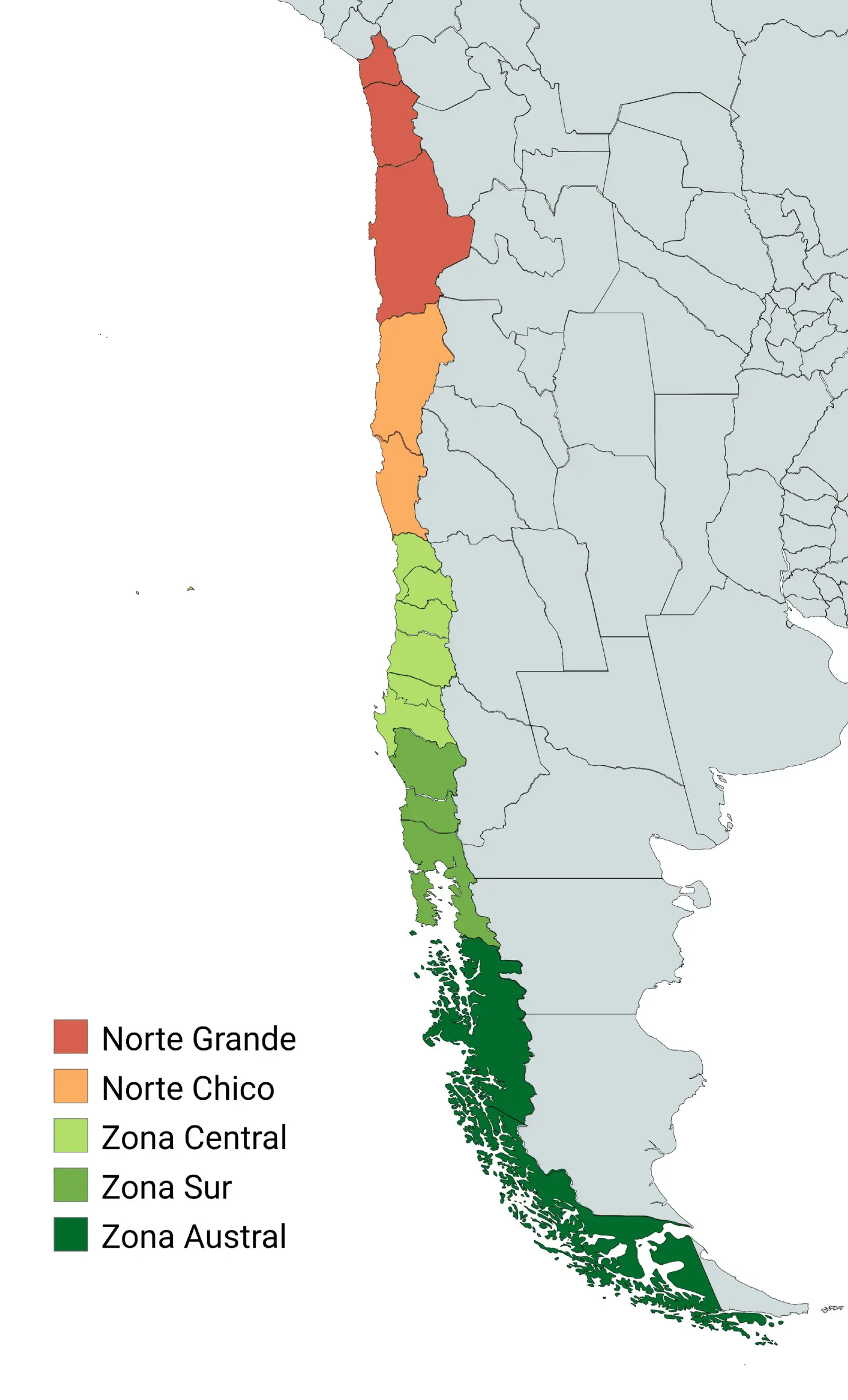
Click or tap the map to enlarge it.
Mapa Zonas Naturales De Chile: A Comprehensive Guide
Key Takeaways
- Discover the diverse natural zones of Chile through the “Mapa Zonas Naturales De Chile”.
- Get insights into the unique geographical features and landscapes of Chile.
- Explore the rich biodiversity offered by Chile’s natural zones.
- Understand the importance of preserving and protecting these natural environments.
History
The “Mapa Zonas Naturales De Chile” is an essential tool developed to showcase the magnificent natural zones of Chile. Chile is known for its diverse geography, stretching from the Atacama Desert in the north to the vast Southern Patagonian Ice Field in the south.
Over the years, cartographers and experts have meticulously studied and mapped Chile’s natural zones, taking into account the unique characteristics and ecosystems found in each region. The “Mapa Zonas Naturales De Chile” acts as a visual representation of this geographical wealth.
Unique Insights
- Chile is home to numerous natural wonders, including the Atacama Desert, the driest non-polar desert in the world.
- The Andes Mountains form a natural border between Chile and Argentina, providing stunning landscapes and a diverse range of flora and fauna.
- The Chilean Fjords are a labyrinth of narrow winding channels carved by ancient glaciers, offering breathtaking views and opportunities for exploration.
- Easter Island is a remote volcanic island located in the southeastern Pacific Ocean. It is famous for its monumental statues called Moai, which are a UNESCO World Heritage Site.
- The Juan Fernández Archipelago, located off the coast of central Chile, is known for its unique biodiversity, including various endemic species of plants and animals.
- The Torres del Paine National Park in the southern region of Patagonia is a hiker’s paradise, featuring stunning granite peaks, glaciers, and picturesque lakes.
- The Mapuche people, an indigenous group in Chile, have a deep connection with nature and their ancestral territories.
Table: Relevant Facts
| Natural Zone | Key Features | Biodiversity |
|---|---|---|
| Atacama Desert | One of the driest deserts in the world, unique rock formations, geysers | Endangered species, cacti, migratory birds |
| Andes Mountains | High mountain peaks, volcanoes, glacial lakes | Pumas, condors, bromeliads |
| Chilean Fjords | Narrow winding channels, majestic glaciers, fjords | Sea lions, dolphins, kelp forests |
| Easter Island | Volcanic landscapes, Moai statues | Marine life, seabirds, endemic plants |
| Juan Fernández Archipelago | Lush forests, unique bird species, volcanic terrain | Hummingbirds, firecrowns, endangered species |
| Torres del Paine National Park | Granite peaks, glaciers, turquoise lakes | Guanacos, pumas, orchids |
Frequently Asked Questions (FAQ)
1. What is the significance of the “Mapa Zonas Naturales De Chile”?
The “Mapa Zonas Naturales De Chile” provides comprehensive information about Chile’s natural zones, allowing individuals to plan their visits, understand the diverse ecosystems, and contribute to the conservation efforts.
2. What are some must-visit natural zones in Chile?
Some must-visit natural zones in Chile include the Atacama Desert, Torres del Paine National Park, and the Chilean Fjords.
3. Are there any endangered species in Chile’s natural zones?
Yes, Chile’s natural zones are home to several endangered species, such as the Humboldt Penguin in the Juan Fernández Archipelago and the Andean Puma in the Andes Mountains.
4. Can I engage in outdoor activities in these natural zones?
Absolutely! Chile’s natural zones offer a wide range of outdoor activities, including hiking, wildlife spotting, birdwatching, and photography.
5. How can I contribute to the conservation of Chile’s natural zones?
You can contribute to the conservation of Chile’s natural zones by respecting the rules and regulations, avoiding littering, supporting local conservation organizations, and spreading awareness about the importance of preserving these environments.
6. Are there guided tours available for exploring Chile’s natural zones?
Yes, there are various guided tours available that provide expert guidance and ensure a safe and enjoyable experience while exploring Chile’s natural zones.
7. Can I camp in these natural zones?
Camping is permitted in specific areas within the natural zones, but it is important to follow designated camping spots and leave no trace to minimize environmental impact.
External Links
- ThisIsChile.cl – Official tourism website for Chile
- VisitPatagonia.com – Explore Patagonia’s natural beauty
- CONAF.cl – National Forestry Corporation of Chile