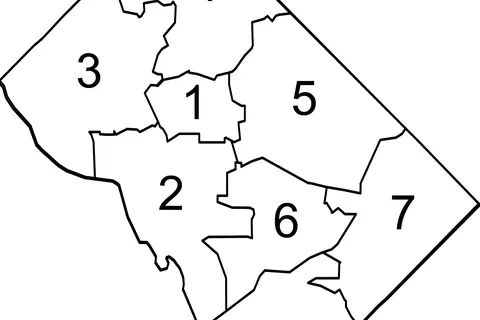
Dc Neighborhoods Map
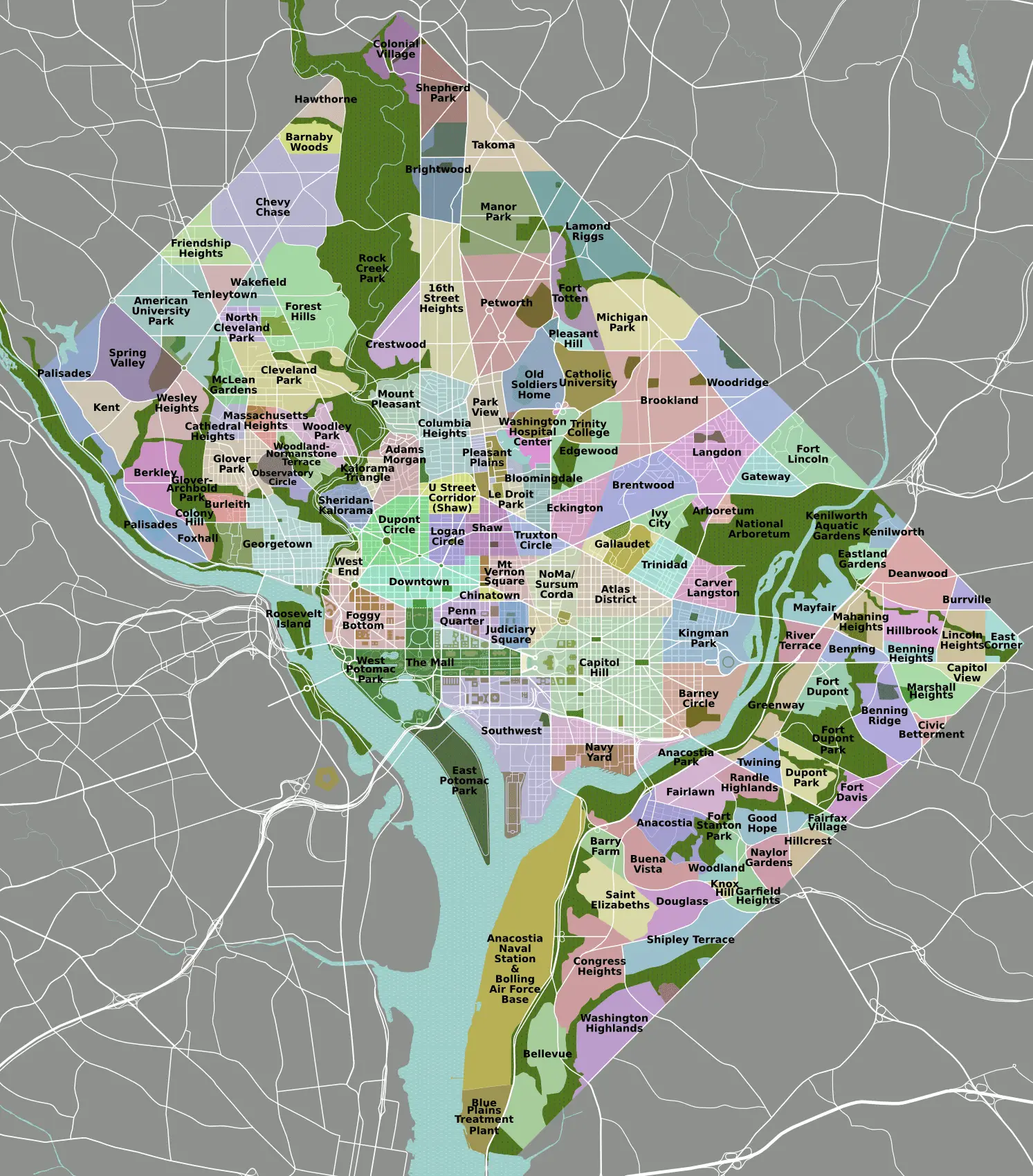
Click or tap the map to enlarge it.
Key Takeaways
- The DC Neighborhoods Map showcases the diverse districts that make up Washington, D.C.
- Exploring these neighborhoods allows visitors and residents to experience unique cultures, architecture,
and attractions. - The map helps visitors navigate and plan their exploration of the city based on their interests and
preferences.
History
Washington, D.C., the capital city of the United States, is comprised of various neighborhoods that each have a
rich history. The DC Neighborhoods Map provides an overview of these districts and their historical
significance.
Unique Insights
1. Georgetown: This historic neighborhood features picturesque streets, charming townhouses, and a vibrant
waterfront. It is home to Georgetown University and offers a blend of trendy shops, restaurants, and historical
landmarks.
2. Dupont Circle: Known for its cosmopolitan atmosphere, Dupont Circle is a hub of cultural diversity, art
galleries, embassies, and lively nightlife. Its iconic fountain serves as a popular meeting place.
3. Capitol Hill: The political heart of the city, Capitol Hill is where the United States Capitol, Supreme Court,
and Library of Congress are located. Visitors can explore the historic row houses, visit the Eastern Market, and
enjoy the stunning views of the National Mall.
4. Adams Morgan: This diverse neighborhood is known for its vibrant nightlife, eclectic mix of international
cuisines, and vibrant street art. The annual Adams Morgan Day Festival celebrates the neighborhood’s cultural
heritage.
5. U Street Corridor: Once known as “Black Broadway,” U Street Corridor boasts a rich cultural and musical
history, influenced by African American artists. Visitors can enjoy live jazz, soul food, and explore the African
American Civil War Museum.
Table: Relevant Facts about DC Neighborhoods
| Neighborhood | Main Attractions | Historical Significance |
|---|---|---|
| Georgetown | Georgetown University, Chesapeake and Ohio Canal, Old Stone House | Established in 1751, Georgetown played a significant role in the American Revolution and is home to many historical sites. |
| Dupont Circle | Dupont Circle Fountain, Phillips Collection, Embassy Row | Originally developed in the late 19th century, Dupont Circle became a cultural and arts hub in the 20th century. |
| Capitol Hill | United States Capitol, Library of Congress, Eastern Market | The political and legislative center of Washington, D.C., Capitol Hill has been a symbol of democracy and governance since the city’s founding in 1790. |
| Adams Morgan | Murals and Street Art, Adams Morgan Day Festival, Meridian Hill Park | Originally a working-class neighborhood, Adams Morgan transformed into a culturally diverse and vibrant area in the late 20th century. |
| U Street Corridor | Lincoln Theatre, Ben’s Chili Bowl, African American Civil War Museum | U Street Corridor played a vital role in African American history, especially during the Harlem Renaissance and the civil rights movement. |
FAQ
1. What is the best time to explore the DC neighborhoods?
The best time to explore the DC neighborhoods is during spring and fall when the weather is pleasant for walking
and the city hosts various events and festivals.
2. Are the neighborhoods safe to visit?
The majority of the DC neighborhoods are safe to visit. However, it is always advisable to stay aware of your
surroundings and take necessary precautions, especially in less crowded areas, during late hours.
3. How can I navigate between different neighborhoods?
Washington, D.C. has an extensive public transportation system, including Metro trains and buses, which makes it
easy to navigate between neighborhoods. Additionally, rideshare services and walking are also convenient options
for short distances.
4. What are the main cultural attractions in these neighborhoods?
Each neighborhood has its own unique cultural attractions. Some examples include visiting art galleries in Dupont
Circle, exploring historical landmarks in Georgetown, or enjoying live music in U Street Corridor.
5. Can I find a variety of dining options in these neighborhoods?
Absolutely! DC neighborhoods offer a diverse range of dining options, catering to various cuisines and tastes. You
can find anything from upscale restaurants to trendy cafes and food trucks.
6. Are there any family-friendly activities in the neighborhoods?
Yes, there are family-friendly activities available in many of the DC neighborhoods. Consider visiting the
Smithsonian museums on the National Mall or exploring the National Zoo in Woodley Park.
7. How can I find more information about specific events happening in the neighborhoods?
You can visit the official tourism website of Washington, D.C., or check out local event listings and community
calendars for up-to-date information about events and activities in the neighborhoods.