Ethiopia War Map May 1936 It
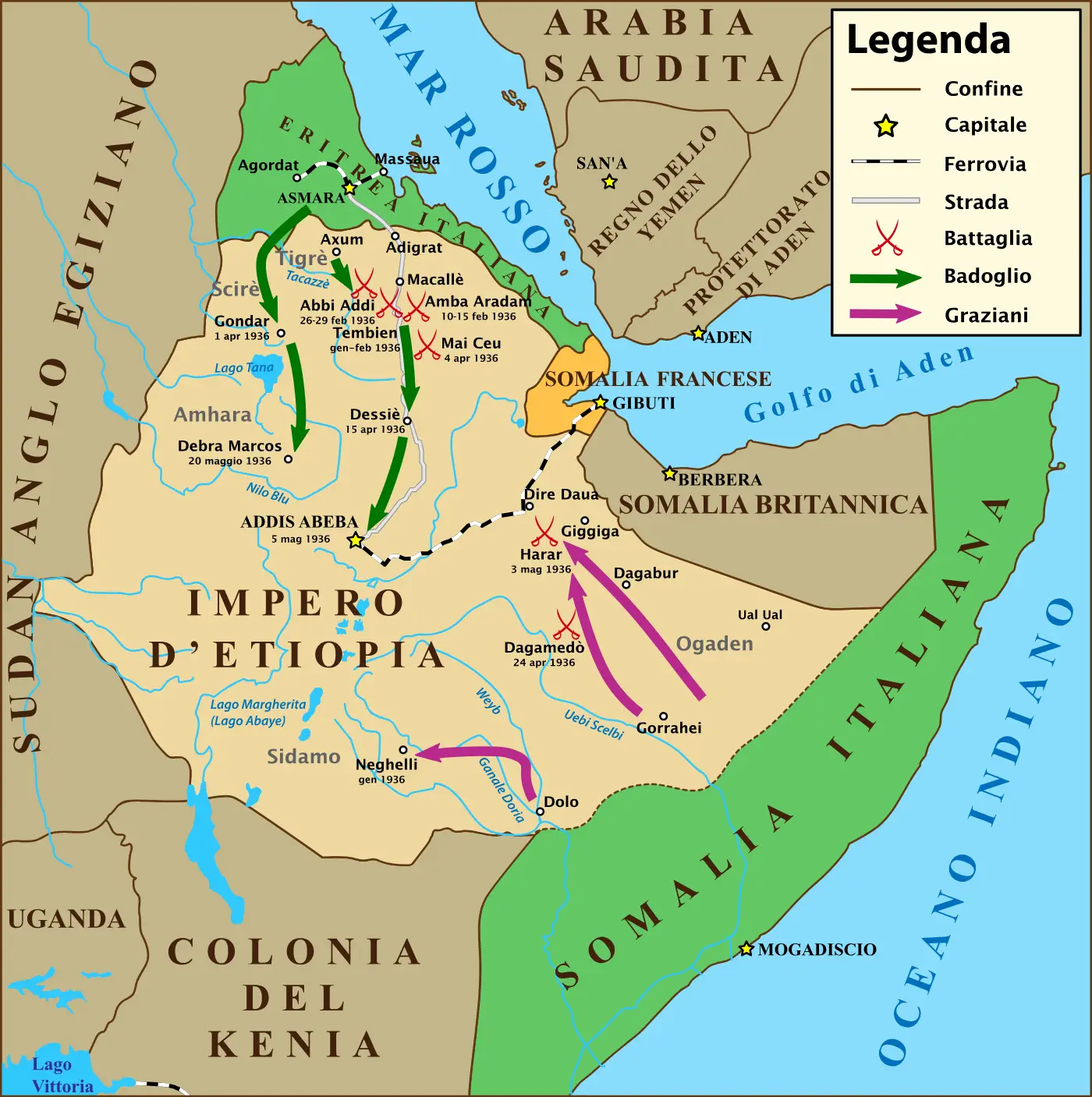
Click or tap the map to enlarge it.
Ethiopia War Map May 1936 It – Exploring a Historic Conflict
Key Takeaways
- The Ethiopia War in May 1936 was a significant conflict with profound geopolitical implications.
- Understanding the geography and strategic positioning of Ethiopia during that time is crucial for comprehending the events that unfolded.
- Examining the war map provides valuable insights into the military movements and historical context of the conflict.
History
The Ethiopia War in May 1936 It was a military conflict between the forces of Italy, led by Benito Mussolini, and Ethiopia (then known as Abyssinia). This war lasted from October 1935 to May 1936 and had significant implications for both Ethiopia and the world at large.
During this period, Italy, already under fascist rule, sought to expand its colonial territories in Africa and saw Ethiopia as an opportunity for conquest. Italy’s invasion of Ethiopia was met with strong resistance from the Ethiopian forces led by Emperor Haile Selassie I.
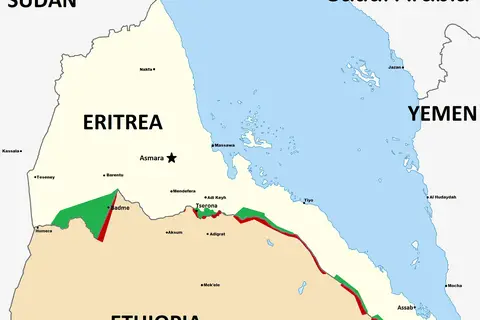
The war map showcases the strategic movements and battles that took place between the Italian and Ethiopian forces. It allows us to analyze the different fronts, key cities, and important territories that were at the center of the conflict.
Unique Insights
Studying the Ethiopia War Map May 1936 It offers several unique insights:
- The strategic positioning of major cities, such as Addis Ababa, Harar, and Dire Dawa, played a crucial role in deciding the outcome of the conflict.
- The challenging geographies of the Ethiopian highlands and the Italian colonies in Eritrea and Somaliland influenced the military tactics employed by both sides.
- The resistance put up by Ethiopian forces, coupled with the support they received from other African nations, showcased the determination to defend their sovereignty and independence.
- The war map highlights the shifting front lines and the changing territorial control throughout the duration of the conflict.
- Invasions and counteroffensives added complexity to the war map, as both sides aimed to gain control over valuable resources and strategic positions.
- The use of modern warfare, including aerial bombings and chemical weapons by the Italian forces, marks one of the key aspects depicted on the war map.
- The aftermath of this conflict led to political and economic consequences globally and shaped future events, including World War II.
Table of Relevant Facts
| Date | Event |
|---|---|
| October 1935 | Italy invades Ethiopia |
| November 1935 | League of Nations imposes sanctions on Italy |
| February 1936 | Italian forces capture Addis Ababa |
| May 1936 | Emperor Haile Selassie I flee to England |
FAQ
-
What sparked the Italy-Ethiopia war?
The invasion of Ethiopia by Italy was driven by Mussolini’s desire to expand Italian colonial territories and assert dominance over Africa.
-
Did Ethiopia receive any international support during the war?
Despite Ethiopia’s appeal to the League of Nations for assistance, the support received was limited, and sanctions imposed on Italy were not sufficient to halt the invasion.
-
How did the geography of Ethiopia affect the war?
The challenging terrains of Ethiopia, including the highlands, mountains, and rugged landscapes, presented obstacles for the Italian invasion and favored guerrilla warfare tactics employed by Ethiopian forces.
-
What was the outcome of the war?
Italy emerged victorious, and Ethiopia was occupied until its liberation by Ethiopian and Allied forces in 1941.
-
Were chemical weapons used during the conflict?
Yes, Italy employed chemical weapons such as mustard gas during the war, causing significant civilian casualties and widespread condemnation.
-
How did the Ethiopia War impact future events?
The war highlighted the vulnerabilities of the League of Nations and foreshadowed the events of World War II, as it showcased aggression and expansionist tendencies of fascist powers.
-
Is the Ethiopia War Map May 1936 It available for public viewing?
Several museums, archives, and online sources provide access to historical maps, including the Ethiopia War Map from May 1936.