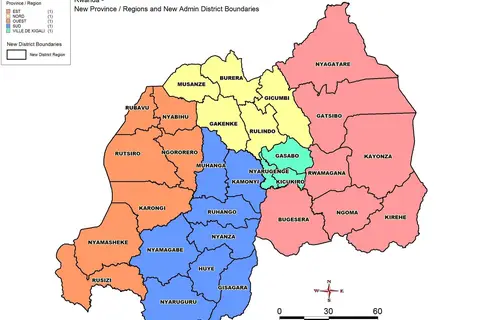
Flagmap of Rwanda
Flagmap Of Rwanda: A Comprehensive Guide
Key Takeaways
- Rwanda’s Flagmap is a unique representation that combines the national flag with the outline map of the country.
- It serves as a powerful symbol of national pride, unity, and identity.
- The flag’s colors represent specific principles and values important to the Rwandan people.
- Rwanda holds a rich history of overcoming adversity and building a strong nation.
History
The Flagmap of Rwanda is a captivating representation of the country’s history and cultural significance. It consists of the national flag of Rwanda integrated with the outline map of the country. This combination unites two powerful symbols, projecting a powerful image of national identity and pride.
The flag of Rwanda is a horizontal tricolor featuring three equal-sized bands of sky blue, yellow, and green from top to bottom. The blue band symbolizes happiness and peace, the yellow band represents economic development and enlightenment, while the green band represents hope and prosperity. These colors are deeply rooted in Rwandan traditions and values.
Rwanda itself has a turbulent history, marked by the 1994 genocide that devastated the nation. However, since then, Rwanda has made significant strides towards healing, reconciliation, and national development. The Flagmap serves as a reminder of the resilience and strength of the Rwandan people and their commitment to building a better future.
Unique Insights
The Flagmap of Rwanda offers several unique insights into the country:
- Symbolic Representation: The integration of the national flag and map highlights the inseparable connection between Rwandan identity and the country’s geographic location.
- National Unity: The Flagmap fosters a sense of unity among Rwandans, showcasing their commitment to shared values and aspirations.
- Cultural Significance: The flag’s colors reflect important principles and values that are deeply embedded in Rwandan culture and history.
- Storytelling: The Flagmap serves as a visual narrative, encapsulating Rwanda’s history, triumphs, and aspirations in a single symbol.
- Tourist Attraction: The uniqueness of the Flagmap makes it a popular attraction for visitors, allowing them to engage with Rwanda’s heritage in a visually striking way.
Table of Relevant Facts
| Year | Event |
|---|---|
| 1959 | Hutu uprising against Tutsi rule |
| 1962 | Rwanda gains independence from Belgium |
| 1994 | Genocide against the Tutsi |
| 2000 | Initiation of the Flagmap concept |
| 2001 | Official adoption of the Flagmap of Rwanda |
Frequently Asked Questions (FAQ)
1. What is the symbolism behind the colors of the Rwanda Flagmap?
The blue symbolizes happiness and peace, the yellow represents economic development and enlightenment, and the green signifies hope and prosperity.
2. How did the Flagmap concept come into existence?
The idea of the Flagmap was initiated in 2000 to create a unique symbol that would represent Rwanda’s history, unity, and identity.
3. Can visitors purchase the Flagmap as a souvenir?
Yes, the Flagmap is available for purchase as a souvenir, allowing visitors to take a piece of Rwandan culture and history home with them.
4. Are there any specific guidelines for using the Flagmap of Rwanda?
Yes, the use of the Flagmap is subject to certain guidelines and regulations to maintain its integrity and proper representation.
5. How has Rwanda progressed since the 1994 genocide?
Rwanda has made remarkable progress in terms of socio-economic development, political stability, and reconciliation efforts since the tragic events of the genocide.
6. Is there any significance to the integration of the national flag and map?
Yes, the integration emphasizes the strong bond between Rwandan identity and the country’s geographic location.
7. How does the Flagmap reflect Rwanda’s resilience?
The Flagmap serves as a symbol of resilience by reminding us of Rwanda’s ability to overcome adversity and build a strong nation.
External Links
LSI Keywords
- Rwanda Flagmap
- Rwandan identity
- National unity in Rwanda
- Rwanda’s flag symbolism
- Flagmap of Rwanda significance
- History of Rwanda’s flag
- Rwanda’s resilience