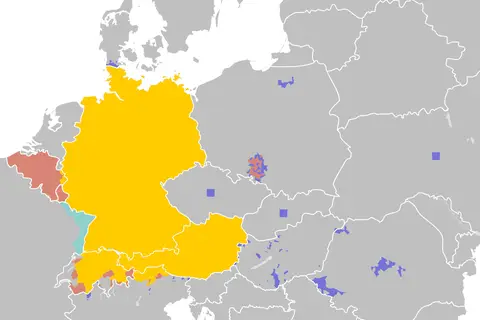
Germanic Languages Map Europe
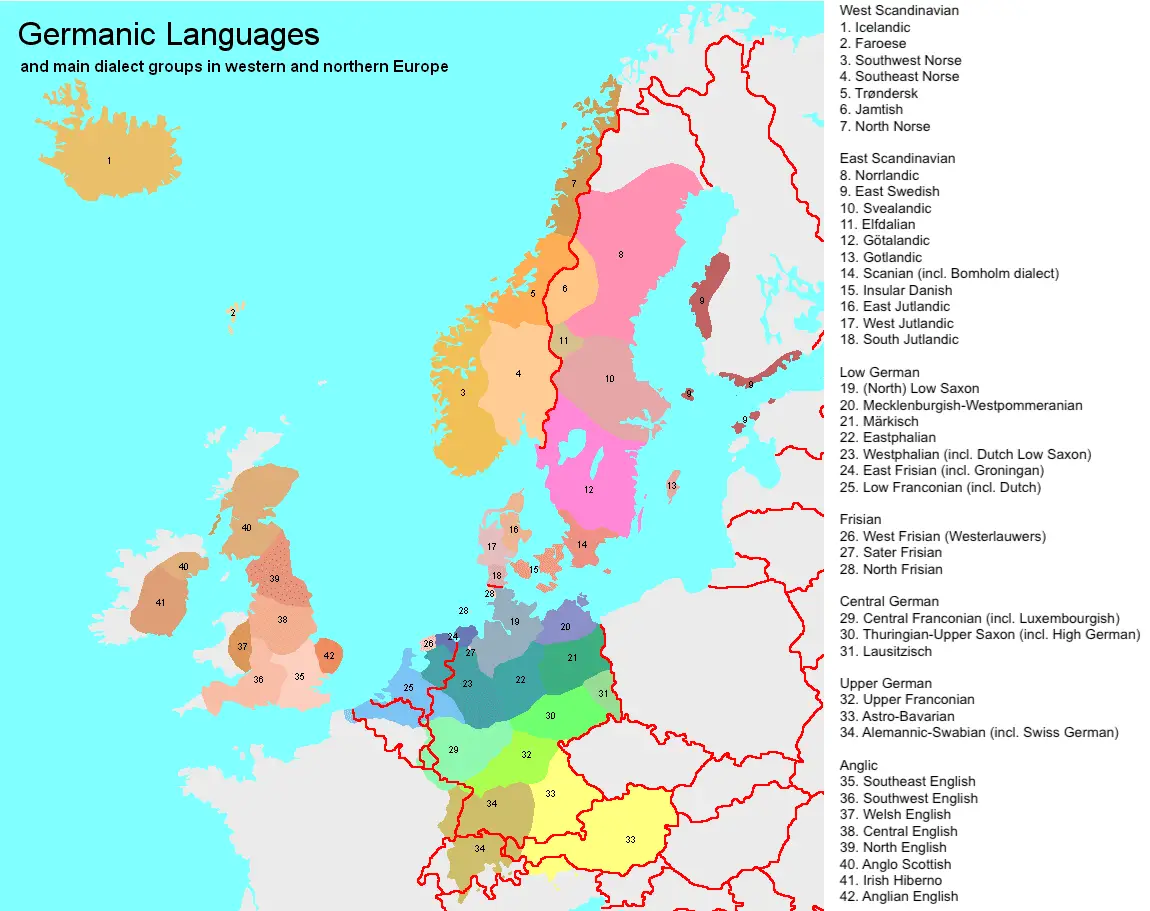
Click or tap the map to enlarge it.
Germanic Languages Map Europe
Key Takeaways
- Germanic languages are spoken across Europe.
- These languages have historical and cultural significance.
- Understanding the distribution of Germanic languages is essential for linguistic analysis.
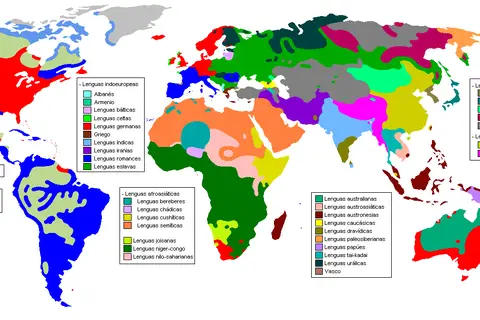
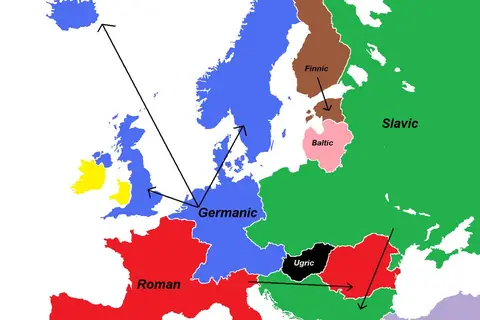
- The map showcases the regions where Germanic languages are predominantly spoken.
History
Germanic languages are a branch of the Indo-European language family. They are spoken by millions of people across Europe, with significant communities in Germany, Austria, Switzerland, Scandinavia, the Netherlands, and the United Kingdom. The Germanic language family has three main branches: West Germanic, North Germanic, and East Germanic.
The earliest records of Germanic languages date back to around the 1st century CE when Germanic tribes inhabited various parts of Europe. Old English, Old Norse, and Old High German are examples of early Germanic languages. Over time, these languages evolved and influenced each other due to historical migrations, political events, and cultural interactions.
The spread of Germanic languages was particularly influenced by the movements of Germanic tribes and the expansion of the Germanic-speaking Holy Roman Empire. Today, Germanic languages are spoken by millions of people and continue to evolve and adapt to modern society.
Unique Insights
The Germanic languages map of Europe provides several unique insights:
- The distribution of Germanic languages correlates with historical migratory patterns of Germanic tribes.
- Variations in dialects and accents are evident across different Germanic language regions.
- The impact of colonialism and the spread of English is visible in countries like the United States and Canada.
- Germanic languages like German, Dutch, and English have significant cultural and economic influence.
- Linguistic borrowing and the influence of neighboring language groups have shaped the evolution of Germanic languages.
Relevant Facts
| Year | Event |
|---|---|
| 1st century CE | Germanic tribes inhabit Europe |
| 5th-7th century CE | Migration period leads to the spread of Germanic languages |
| 9th-11th century CE | Establishment of the Holy Roman Empire influences language distribution |
| 16th-19th century CE | Colonial era impacts the spread of English around the world |
Frequently Asked Questions (FAQ)
-
Which countries have German as their official language?
Germany, Austria, and Liechtenstein have German as their official language.
-
How many people speak Dutch worldwide?
Approximately 28 million people speak Dutch worldwide.
-
What is the most widely spoken North Germanic language?
Swedish is the most widely spoken North Germanic language.
-
What are the major West Germanic languages?
The major West Germanic languages include English, German, and Dutch.
-
Did any East Germanic languages survive?
No, all known East Germanic languages are extinct.
-
Are English and Dutch mutually intelligible?
There is a certain degree of mutual intelligibility between English and Dutch, but they are considered separate languages.
-
How have global migrations influenced the distribution of Germanic languages?
Global migrations have led to Germanic language communities in North America, Australia, and other parts of the world.