Map Sahel
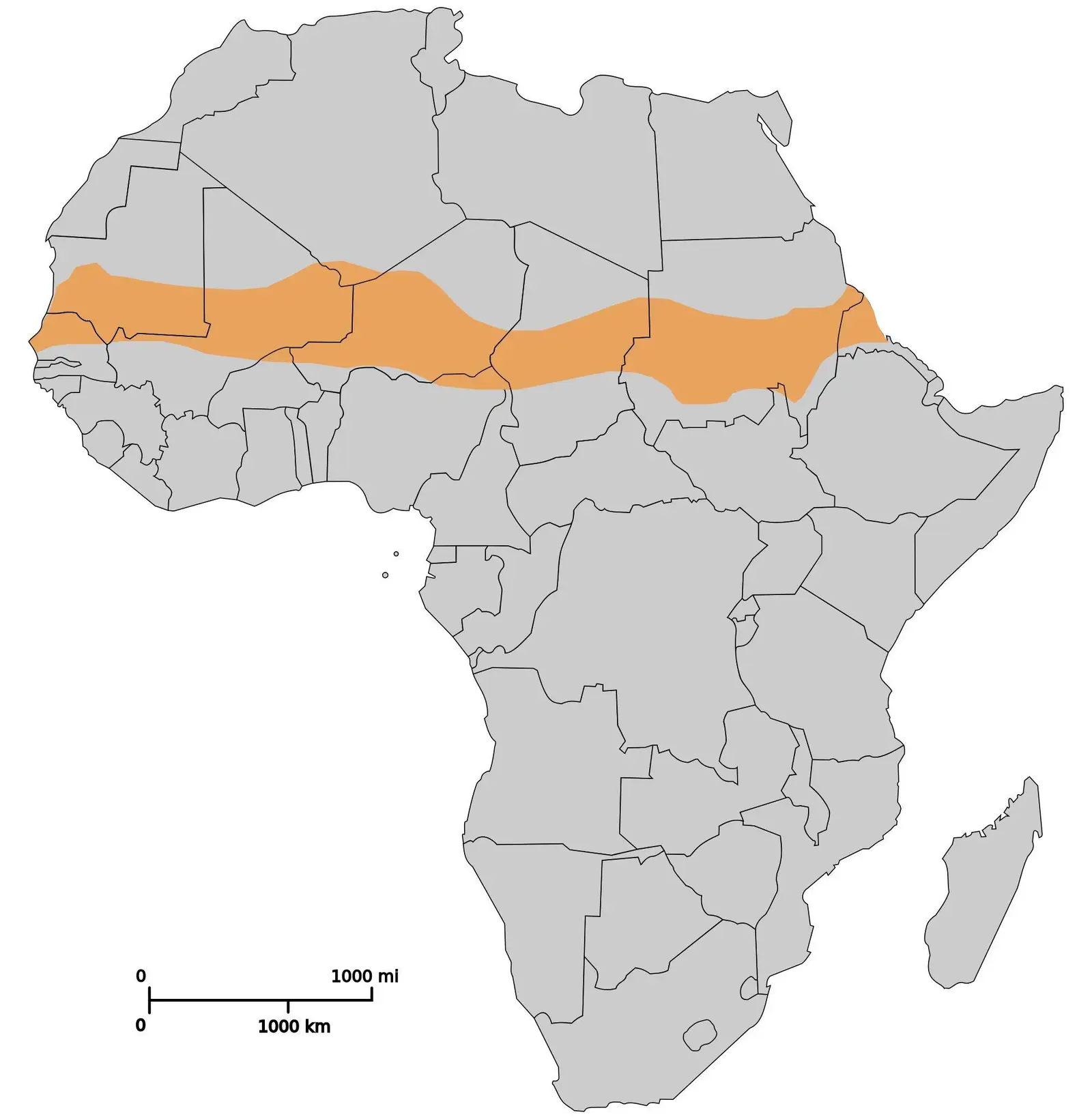
Click or tap the map to enlarge it.
Map Sahel: Exploring the Vast and Diverse Region
Key Takeaways:
- Map Sahel is a crucial geographical region in Africa, spanning multiple countries.
- It is a transitional zone between the Sahara Desert and the African savannah.
- The Sahel region faces numerous challenges such as desertification and food insecurity.
- It features a rich cultural heritage and diverse communities.
- The region offers opportunities for nature exploration and eco-tourism.
History of the Sahel Region
The Sahel is a region in Africa that stretches across multiple countries from the Atlantic Ocean to the Red Sea. It is a transitional zone between the vast Sahara Desert to the north and the savannah grasslands to the south. The name “Sahel” comes from the Arabic word meaning “shore” or “border.”
The Sahel region has a rich historical background, with evidence of human presence dating back thousands of years. It has been a crossroads for various civilizations and trade routes, including the ancient trans-Saharan trade. Throughout history, empires such as Ghana, Mali, and Songhai have thrived in this region, leaving behind remarkable architectural and cultural heritage.
In more recent times, the Sahel has faced challenges due to its geographical location. Desertification, caused by a combination of climatic changes and human activities, poses a significant threat to the region. Additionally, political instability and conflict have impacted the Sahel, making it a complex and dynamic area to understand and navigate.
Unique Insights into Map Sahel
Exploring the Sahel region on a map reveals fascinating insights into its geographic features, biodiversity, and cultural diversity. Here are some notable aspects:
1. Geographic Features
The Sahel is characterized by a semi-arid climate with a mix of grasslands, shrubs, and scattered trees. It is an ecologically fragile area that experiences significant rainfall variations and periodic droughts. Rivers such as the Niger, Senegal, and Nile flow through the region, providing life-sustaining water to local communities.
2. Biodiversity
Despite the challenging environment, the Sahel is home to a surprising variety of plant and animal species. The region serves as an important migratory route for birds, with millions flying through during their annual journeys. Wildlife, including elephants, antelopes, and cheetahs, can be found in protected areas such as the W National Park.
3. Cultural Diversity
The Sahel is renowned for its cultural richness and diversity. Numerous ethnic groups, such as the Fulani, Tuareg, and Hausa, have thrived in the region for centuries, each with their distinct languages, traditions, and artistic expressions. Traditional music, vibrant marketplaces, and colorful festivals showcase the cultural vibrancy of the Sahel.
Table: Historical Facts of the Sahel
| Year | Event |
|---|---|
| 700 CE | Start of the trans-Saharan trade route |
| 13th-16th century | Golden Age of Mali Empire |
| 18th century | Decline of Songhai Empire |
| 19th century | European colonization in the region |
| 20th century | Independence movements and formation of modern Sahelian nations |
Frequently Asked Questions (FAQ)
1. What countries are part of the Sahel region?
The Sahel region includes countries such as Senegal, Mauritania, Mali, Burkina Faso, Niger, Nigeria, Chad, Sudan, and Eritrea.
2. What challenges does the Sahel face?
The Sahel faces challenges like desertification, food insecurity, political instability, and conflict.
3. Are there any tourist attractions in the Sahel?
Yes, the Sahel offers a range of attractions including national parks, historic sites, and traditional cultural festivals.
4. How does the Sahel contribute to global biodiversity?
The Sahel attracts a wide variety of migratory bird species and is home to several endangered animal species.
5. What is the main economic activity in the Sahel region?
Agriculture, livestock rearing, and small-scale trade are the primary economic activities in the Sahel.
6. How can I help combat desertification in the Sahel?
Supporting local initiatives, promoting sustainable land use practices, and contributing to reforestation efforts are ways to combat desertification in the Sahel.
7. Is it safe to travel to the Sahel?
While some areas might have security concerns, many parts of the Sahel region are safe for travelers. It is advisable to stay informed and follow relevant travel advisories.
External Links
LSI Keywords
- Sahel region
- Sahara Desert
- African savannah
- Desertification
- Trans-Saharan trade
- Mali Empire
- Cultural diversity in Sahel
- Biodiversity in Sahel
- Political instability
- Migratory bird species
- Endangered animal species
- Sustainable land use practices
- Reforestation efforts in Sahel
- Travel advisories for Sahel