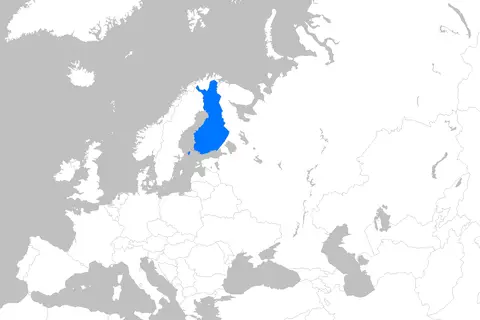
Population Map of Finland
Key Takeaways
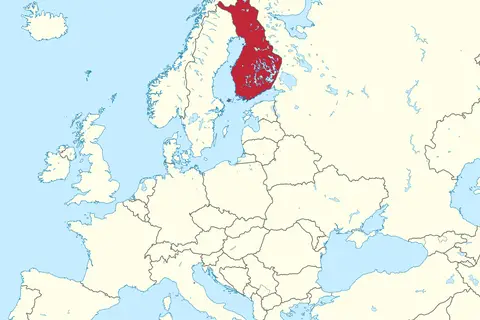
- The Population Map of Finland provides an overview of the population distribution throughout the country.
- It displays population density, highlighting regions with higher concentrations of people.
- The map helps to understand the demographic patterns and the settlement patterns in Finland.
- It aids in studying urbanization, migration, and resource distribution across different regions of the country.
History
The Population Map of Finland traces its roots back to the 19th century when cartographers started exploring and documenting the population distribution across the country. The advancements in technology have greatly improved the accuracy and accessibility of these maps.
Unique Insights
The Population Map of Finland offers several unique insights into the country’s demography:
- Urban Centers: Helsinki, the capital city, and its surrounding areas exhibit the highest population density in the country.
- Rural Expanse: The map also shows the vast rural regions of Finland, with lower population density and more dispersed settlements.
- Coastal Concentration: Coastal regions, such as Turku and Tampere, serve as significant population centers due to their historical and economic importance.
- Regional Disparities: The map highlights the differences in population density between the south and north of Finland, with higher concentrations in the southern regions.
Table of Facts
| Year | Population (in millions) |
|---|---|
| 1900 | 2.65 |
| 1950 | 4.02 |
| 2000 | 5.18 |
| 2021 | 5.54 |
FAQ
-
What does the Population Map of Finland show?
The Population Map of Finland displays the distribution and density of the population across different regions of the country.
-
What are some notable insights from the map?
The map reveals the concentration of population in urban centers like Helsinki, as well as the disparities in population density between the southern and northern regions of Finland.
-
How has the population of Finland changed over time?
The population of Finland has slowly increased over the years, reaching approximately 5.54 million in 2021, from 2.65 million in 1900.
-
What factors contribute to the population distribution in Finland?
Factors such as economic opportunities, historical significance, and geographical features, including coastlines and natural resources, play a role in the population distribution of Finland.
-
How does the Population Map of Finland assist in understanding the country’s demographics?
By visualizing the population density, the map provides insights into settlement patterns, urbanization, and migration within Finland.
-
Are there any specific regions in Finland with unique population patterns?
Yes, coastal regions like Turku and Tampere exhibit higher population density due to their historical and economic importance.
-
Is the Population Map of Finland useful for research purposes?
Yes, researchers can utilize the map to study various aspects of demographic development, urban planning, and resource distribution in Finland.
External Links
List of LSI Keywords
- Finland population density
- Population distribution in Finland
- Demographic patterns in Finland
- Settlement patterns in Finland
- Urbanization in Finland
- Migration patterns in Finland
- Resource distribution in Finland