Russian Empire Map
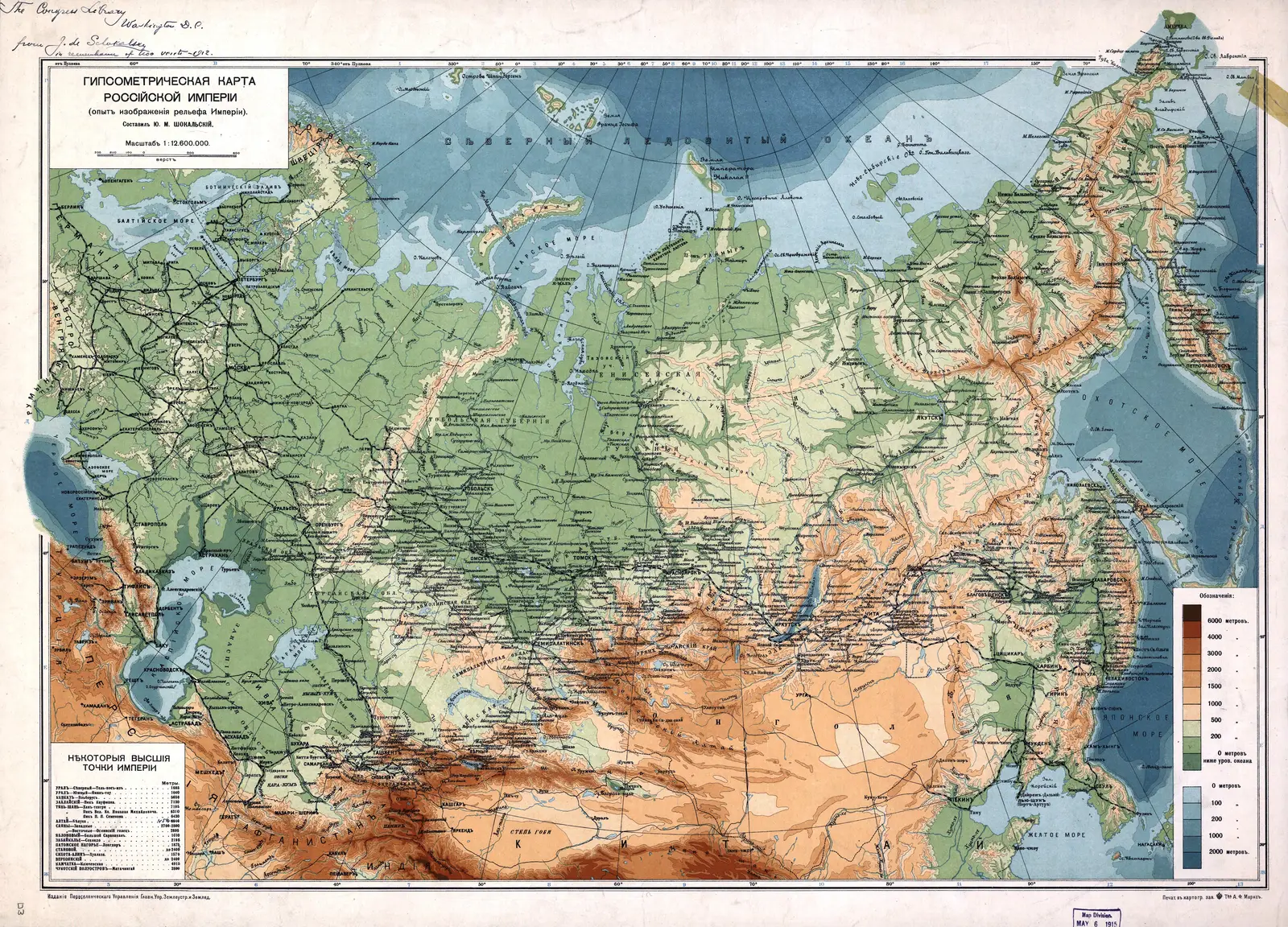
Click or tap the map to enlarge it.
Russian Empire Map – Explore the Vast Territories and Rich History
Key Takeaways
- Discover the vast territories that comprised the Russian Empire.
- Explore the significant historical events and cultural diversity of the empire.
- Understand the expansion and transformation of the Russian Empire over time.
- Learn about the influence of the Russian Empire on geopolitics and global history.
- Appreciate the remnants and architectural heritage from the empire.
History of the Russian Empire
The Russian Empire was one of the largest and most influential empires in history, spanning across Eastern Europe, Northern Asia, and North America. It existed from 1721 to 1917, with its capital in Saint Petersburg until it was moved to Moscow in 1918.
The empire’s origins trace back to the Grand Duchy of Moscow, which gradually expanded its territories through wars, negotiations, and strategic alliances. Under the reign of Peter the Great, the Russian Empire experienced significant transformations and westernization, becoming a major player on the European continent.
The Russian Empire reached its territorial peak in the 19th century, extending from modern-day Poland in the west to the Pacific Ocean in the east. It incorporated diverse regions, including Finland, Ukraine, Belarus, the Baltic states, parts of Poland and Romania, Central Asia, Siberia, and Alaska. The empire’s vastness and cultural diversity made it a unique global entity.
Russian Empire Map – Key Facts
| Year | Event |
|---|---|
| 1721 | The Russian Empire is officially proclaimed, with Peter I as the first emperor. |
| 1867 | Russia sells Alaska to the United States, marking the westernmost point of the empire. |
| 1904-1905 | Russia faces defeat in the Russo-Japanese War, highlighting weaknesses and sparking internal conflicts. |
| 1917 | The February Revolution leads to the fall of the Russian Empire and the rise of the Russian Soviet Federative Socialist Republic. |
Unique Insights
- The Russian Empire’s expansion was primarily driven by a combination of military conquests and strategic diplomacy.
- Its geographical diversity encompassed various landscapes, from arctic tundra in the north to vast steppe regions and mountain ranges in the south.
- The empire’s population included numerous ethnic groups, religions, and languages, contributing to its cultural richness.
- Russian literature, art, and music flourished during the empire’s era, with renowned names such as Tolstoy, Dostoyevsky, and Tchaikovsky.
- The Russian Empire’s collapse in 1917 paved the way for the establishment of the Soviet Union.
Frequently Asked Questions (FAQ)
1. What were the major challenges faced by the Russian Empire?
The Russian Empire encountered various challenges, including internal conflicts, rebellions, and external pressures from other European powers.
2. How did the Russian Empire influence global history?
The Russian Empire played a significant role in shaping world events, especially through its involvement in major conflicts like World War I and its influence on neighboring countries.
3. What architectural remnants can still be found from the Russian Empire?
Several architectural landmarks, such as the Winter Palace and the Catherine Palace in Saint Petersburg, showcase the grandeur of the Russian Empire’s architectural style.
4. What were the major conflicts involving the Russian Empire?
The Russian Empire was involved in various conflicts, including the Crimean War, Russo-Turkish Wars, and the Russo-Japanese War.
5. How did the Russian Empire contribute to science and education?
The empire established numerous educational institutions and supported advancements in science, fostering developments in fields like mathematics, literature, and physics.
6. What led to the fall of the Russian Empire?
Several factors, including social unrest, economic struggles, and the impact of World War I, contributed to the fall of the Russian Empire.
7. Can you visit any Russian Empire palaces today?
Yes, many palaces and museums from the Russian Empire era are open to the public, allowing visitors to immerse themselves in the empire’s opulent history.