Iraqwar Map
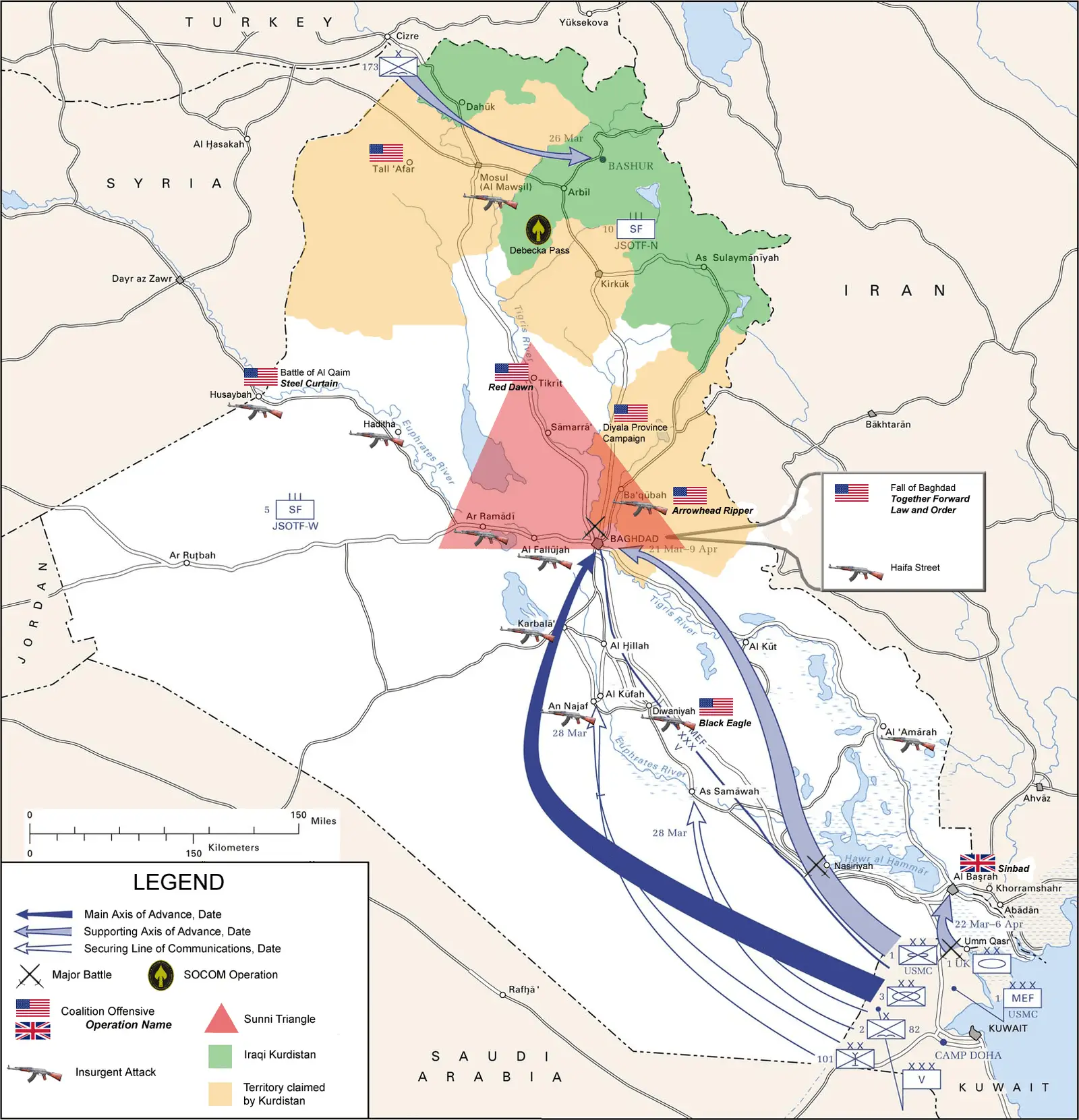
Click or tap the map to enlarge it.
Key Takeaways
- The Iraq War was a conflict that took place from 2003 to 2011.
- It was primarily fought between the United States-led coalition forces and Iraq.
- The war resulted in significant territorial, political, and social changes in Iraq.
- Understanding the geography of Iraq during this period is crucial to comprehend the war’s dynamics.
History of the Iraq War
The Iraq War, also known as the Second Gulf War, began on March 20, 2003, and lasted until December 18, 2011. It was a protracted armed conflict that primarily took place in Iraq and involved various military operations and political developments. The war was initiated by the United States, alongside its allies, based on the belief that Iraq possessed weapons of mass destruction (WMDs) and posed a significant threat to international security.
Without the discovery of substantial WMD evidence, the justification for the war faced intense critique over time. As the conflict progressed, the focus shifted towards establishing stability and democratization in Iraq. Insurgents, including elements of Al-Qaeda, became major opponents, contributing to a complex and volatile situation.
Unique Insights
Examining the map of Iraq during the war period provides several unique insights:
- Geographical Challenges: The diverse geography of Iraq, including vast deserts and river networks, had an impact on military strategies and troop movements.
- Urban Warfare: Major cities like Baghdad, Mosul, and Fallujah witnessed intense urban warfare due to their strategic importance. Understanding the urban landscape is crucial to comprehend tactical decisions and outcomes.
- Ethnic and Sectarian Dynamics: Iraq’s ethnic and sectarian divisions played a role in the conflict, leading to sectarian violence and regional power struggles.
- Oil Fields and Infrastructure: Controlling Iraq’s vast oil fields and infrastructure became an important objective for both sides involved in the war.
Table of Facts
| Date | Event |
|---|---|
| March 20, 2003 | The United States launches a military invasion of Iraq, starting the Iraq War. |
Frequently Asked Questions (FAQ)
1. What were the main causes of the Iraq War?
The main causes of the Iraq War were the belief that Iraq possessed WMDs, concerns over Saddam Hussein’s regime, and a desire to establish democracy and stability in the region.
2. How long did the Iraq War last?
The Iraq War lasted for approximately eight years, from 2003 to 2011.
3. Who were the key players in the conflict?
The key players in the Iraq War were the United States and its coalition forces, led by President George W. Bush, and the government of Iraq under Saddam Hussein.
External Links
List of LSI Keywords
- Second Gulf War
- Coalition forces
- Weapons of mass destruction
- Insurgents
- Al-Qaeda
- Baghdad
- Mosul
- Fallujah
- Ethnic divisions
- Sectarian violence
- Oil fields
- Democracy
- Stability