Flag Map of the Austrohungarian Empire Civil Ensign
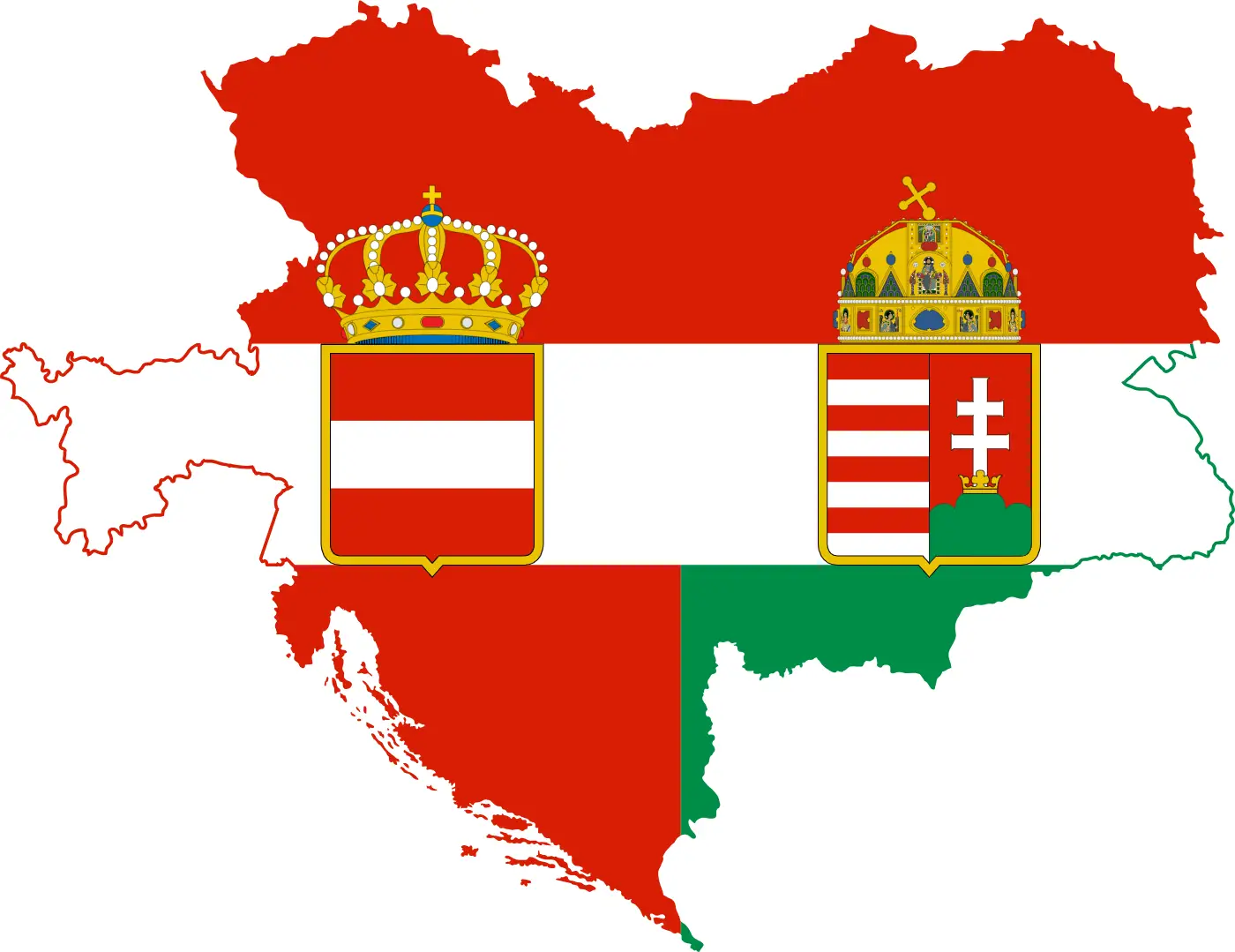
Click or tap the map to enlarge it.
Flag Map Of The Austrohungarian Empire Civil Ensign
Key Takeaways
- The Austro-Hungarian Empire Civil Ensign served as the official flag of the Austro-Hungarian Empire during its existence.
- The flag consisted of horizontal stripes of red-white-red with the coat of arms of the empire in the center.
- It represented the unity and the dual-monarchy system of the Austro-Hungarian Empire.
History
The Austro-Hungarian Empire Civil Ensign, also known as the flag of the Austro-Hungarian Monarchy, was the official flag used to represent the Austro-Hungarian Empire during its existence from 1867 until 1918.
The flag featured three horizontal stripes of red-white-red, with the coat of arms of the empire positioned in the center. The coat of arms depicted a black eagle with the imperial crown above it, holding a sword and a scepter in its talons. The eagle was surrounded by various symbols and crests representing the different regions of the empire.
The red-white-red color scheme of the flag was derived from the coat of arms of Austria, while the addition of the coat of arms showcased the unity and the dual-monarchy system of the Austro-Hungarian Empire.
During its existence, the Austro-Hungarian Empire was a multinational and multiethnic empire, encompassing territories in Central Europe. It played a significant role in European politics and had a diverse cultural and linguistic landscape.
Unique Insights
- The Austro-Hungarian Empire was formed in 1867 through the Austro-Hungarian Compromise, which established a constitutional agreement between Austria and Hungary.
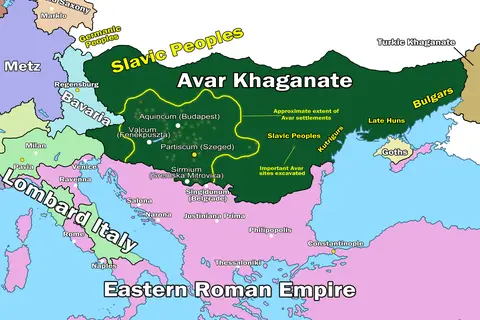
- The empire encompassed territories of present-day Austria, Hungary, Czech Republic, Slovakia, parts of Poland, Ukraine, Romania, Croatia, Slovenia, Bosnia and Herzegovina, and parts of Italy and Serbia.
- The Austro-Hungarian Empire was characterized by its complex political structure and its dual-monarchy system, in which Austria and Hungary had separate parliaments and governments, but shared a single monarch.
- The empire faced numerous challenges related to nationalism, ethnic tensions, and competing interests of different regions within its borders.
- It played a significant role in the events leading up to World War I, with the assassination of Archduke Franz Ferdinand of Austria in 1914 triggering a series of events that eventually led to the outbreak of the war.
- The Austro-Hungarian Empire dissolved following its defeat in World War I, leading to the creation of several independent nations in its former territories.
Table of Relevant Facts
| Year | Event |
|---|---|
| 1867 | Austro-Hungarian Compromise establishes the dual monarchy system. |
| 1878 | The Austro-Hungarian Empire occupies Bosnia and Herzegovina. |
| 1914 | Assassination of Archduke Franz Ferdinand of Austria triggers World War I. |
| 1918 | Dissolution of the Austro-Hungarian Empire following its defeat in World War I. |
FAQ
-
What does the flag of the Austro-Hungarian Empire Civil Ensign represent?
The flag represents the unity and the dual-monarchy system of the Austro-Hungarian Empire.
-
When was the Austro-Hungarian Empire formed?
The Austro-Hungarian Empire was formed in 1867 through the Austro-Hungarian Compromise.
-
What territories did the Austro-Hungarian Empire encompass?
The empire encompassed territories of present-day Austria, Hungary, Czech Republic, Slovakia, parts of Poland, Ukraine, Romania, Croatia, Slovenia, Bosnia and Herzegovina, and parts of Italy and Serbia.
-
What role did the Austro-Hungarian Empire play in World War I?
The empire’s involvement in the assassination of Archduke Franz Ferdinand of Austria triggered a series of events that led to the outbreak of World War I.
-
When did the Austro-Hungarian Empire dissolve?
The Austro-Hungarian Empire dissolved in 1918 following its defeat in World War I.
-
What challenges did the Austro-Hungarian Empire face?
The empire faced challenges related to nationalism, ethnic tensions, and competing interests of different regions within its borders.
-
What happened to the Austro-Hungarian Empire after its dissolution?
The dissolution of the empire led to the creation of several independent nations in its former territories.
External Links
LSI Keywords
- Austro-Hungarian Empire
- Civil Ensign
- Dual-monarchy system
- Coat of arms
- Cultural and linguistic landscape
- Austro-Hungarian Compromise
- World War I
- Ethnic tensions
- Dissolution