Terms and Conditions

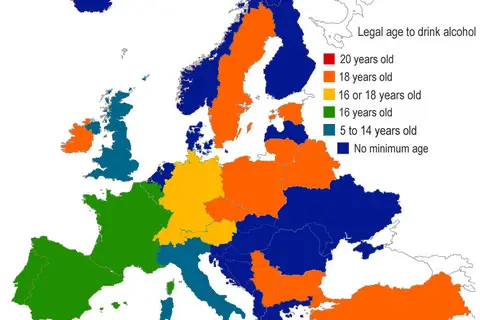
Click or tap the map to enlarge it.
Introduction: Understanding the Importance of Terms and Conditions
Terms and conditions are an integral part of any business, website, or mobile application. They serve as a legally binding agreement between the company and its users, outlining the rights, responsibilities, and obligations of both parties. While often overlooked, these terms and conditions play a crucial role in protecting the interests of the business and setting clear expectations for users.
By providing detailed terms and conditions, businesses can avoid potential disputes, define the limitations of liability, and establish guidelines for acceptable use of their products or services. It is essential for businesses to clearly communicate their terms and conditions to users and ensure they are easily accessible and understandable.
Furthermore, terms and conditions can include provisions on privacy and data protection, intellectual property rights, payment terms, dispute resolution mechanisms, and other vital aspects of the user-company relationship. Failure to have comprehensive and transparent terms and conditions may expose businesses to legal risks and reputation damage.
What are Terms and Conditions? Exploring their Definition and Purpose
Terms and conditions, also known as terms of service or terms of use, refer to a legally binding contract between a company and its users or customers. They lay out the rules, guidelines, and obligations that users must agree to and comply with when accessing or using the company’s products, services, or platforms.
The primary purpose of terms and conditions is to protect both parties involved. For businesses, these terms provide protection against misuse, abuse, or unauthorized use of their products or services. They also establish ownership of intellectual property rights and limit the company’s liability for any damages, losses, or disputes that may arise from the use of their offerings.
Users, on the other hand, benefit from terms and conditions as they delineate their rights, set expectations for their interactions with the company, and give them recourse in case of a breach. By agreeing to the terms and conditions, users acknowledge and accept the rules and regulations imposed by the business.
Key Components of Terms and Conditions: An Overview
Terms and conditions typically consist of several key components that vary based on the nature of the business and the products or services offered. Some common components include:
- Acceptance: Clearly state that by accessing or using the company’s products or services, users are legally bound by the terms and conditions.
- Definitions: Define any technical or legal terms used in the agreement to ensure clarity and avoid misunderstandings.
- License or Usage: Detail how users are permitted to use the company’s products or services, including any restrictions or limitations.
- Intellectual Property: Specify the ownership of intellectual property rights, including copyrights, trademarks, patents, and any usage limitations or permissions granted to the users.
- Privacy and Data Protection: Outline the company’s data collection, storage, and usage practices, as well as the measures taken to protect user privacy and comply with relevant regulations.
- Payments and Refunds: Explain the payment terms, refund policies, and any associated fees or charges.
- Dispute Resolution: Provide guidance on resolving disputes or conflicts between the company and the users, including arbitration or mediation procedures.
- Termination: Specify the conditions under which either party can terminate the agreement, including the consequences of termination.
- Modification: State the company’s right to modify or update the terms and conditions and how users will be notified of such changes.
- Governing Law: Specify the jurisdiction and laws applicable to the agreement.
Benefits of Having Clear and Comprehensive Terms and Conditions
Clear and comprehensive terms and conditions offer numerous benefits to both businesses and users:
- Legal Protection: Terms and conditions provide legal protection to businesses by establishing the rules and boundaries for the use of their products or services. They limit the company’s liability and ensure that users are aware of their rights and responsibilities.
- Risk Mitigation: By clearly stating the consequences of misuse or unauthorized use, businesses can mitigate potential risks and prevent abuse of their offerings.
- Dispute Resolution: Terms and conditions help in resolving conflicts or disputes between the company and users by providing a framework for mediation or arbitration.
- Transparency: Transparent terms and conditions build trust and credibility with users by ensuring they understand the rules and guidelines of engaging with the company.
- Intellectual Property Protection: Clearly defining ownership of intellectual property rights protects the company’s innovations, designs, or proprietary information from unauthorized use or infringement.
- User Consent: By agreeing to the terms and conditions, users are giving their informed consent to the rules and regulations set forth by the company.
Common FAQs about Terms and Conditions
Here are some frequently asked questions about terms and conditions:
- Q: Are terms and conditions legally binding?
A: Yes, terms and conditions are legally binding as they establish a contractual agreement between the company and the user. - Q: Can terms and conditions be changed?
A: Yes, terms and conditions can be changed, but the company must properly notify the users of any modifications and provide them with an opportunity to review and accept the changes. - Q: How can I make my terms and conditions enforceable?
A: To make terms and conditions enforceable, it is important to clearly communicate them, ensure they are accessible to users, and obtain their explicit consent. - Q: Can I copy terms and conditions from another website?
A: While you can take inspiration from other websites, it is not advisable to copy their terms and conditions verbatim. It is crucial to tailor the terms and conditions to suit the specific needs and requirements of your business. - Q: Are terms and conditions required by law?
A: While the law may not explicitly require terms and conditions for every business, having them is highly recommended to protect the interests of both the company and the users.
Ensuring Compliance: Legal Requirements for Terms and Conditions
When crafting terms and conditions, businesses need to be aware of legal requirements to ensure compliance:
- Transparency: Terms and conditions must be written in clear and plain language, avoiding complex legal jargon that may confuse or mislead users.
- Consent: Users must be properly informed and provide their explicit consent to the terms and conditions before they can access or use the company’s products or services.
- Data Protection: If the business collects and processes user data, the terms and conditions should comply with relevant data protection regulations, such as the General Data Protection Regulation (GDPR).
- Consumer Rights: Businesses must ensure that their terms and conditions do not infringe upon the rights of consumers, including consumer protection laws and regulations.
Best Practices for Crafting Effective Terms and Conditions
Consider the following best practices when creating terms and conditions:
- Use clear and concise language that is easily understandable for users.
- Break down the terms and conditions into sections or headings to improve readability.
- Provide examples or scenarios to illustrate the practical application of the terms.
- Ensure the terms and conditions are easily accessible on the website or application, such as through a dedicated page or a link in the footer.
- Regularly review and update the terms and conditions to reflect any changes in the business or legal requirements.
Conclusion: The Significance of Transparent and User-Friendly Terms and Conditions
Terms and conditions are not just a legal formality; they are vital for businesses and users alike. Transparent and user-friendly terms and conditions protect the interests of both parties, establish clear rules and guidelines, and serve as a foundation for a mutually beneficial relationship.
By understanding the importance of terms and conditions, businesses can craft comprehensive, easy-to-understand agreements that ensure legal compliance, mitigate risks, and promote trust and transparency with their users.
For additional information on terms and conditions, you may refer to the Federal Trade Commission’s guide on clear and simple language in terms and conditions.