Hermaphroditismus Beim Menschen 1908 14597140957
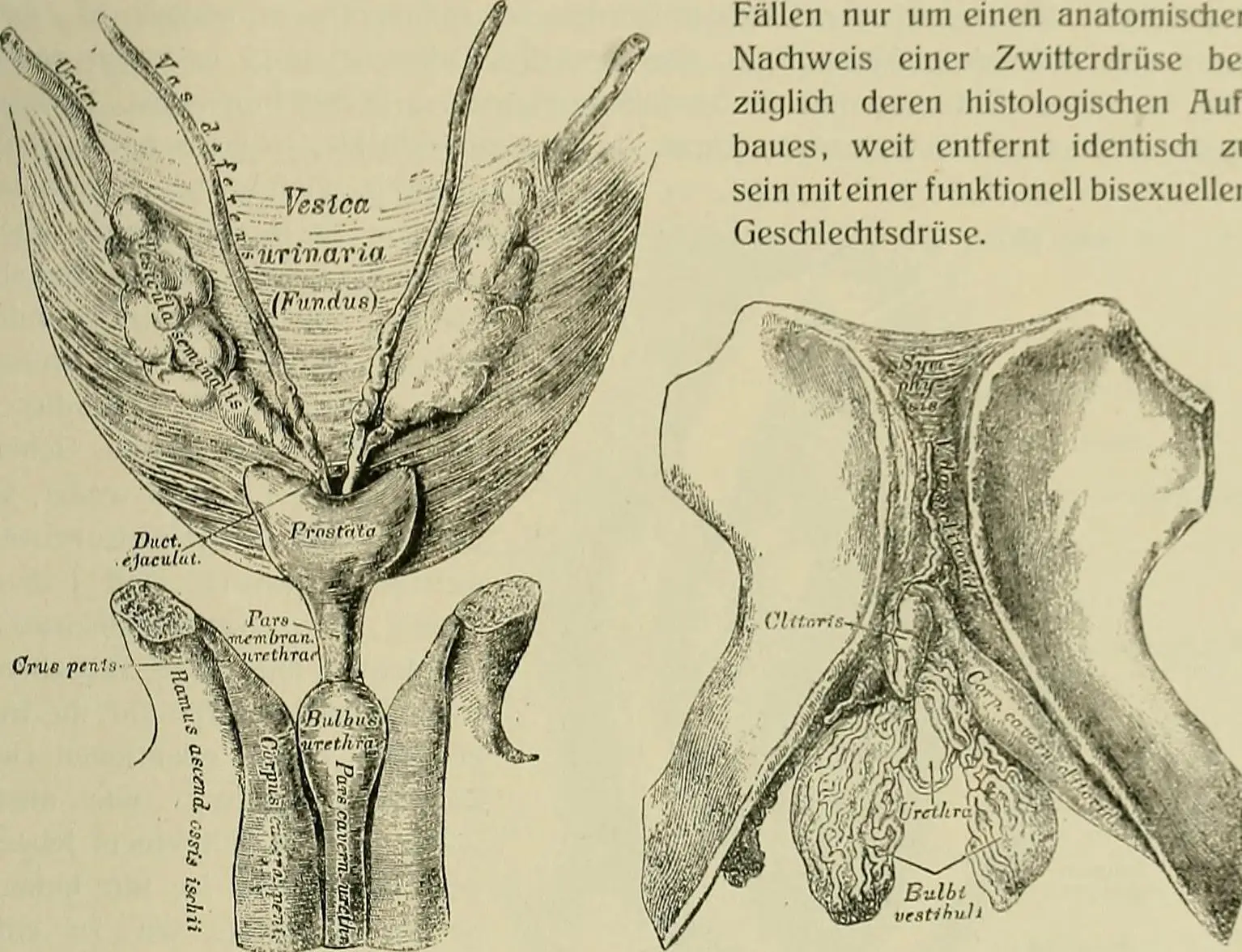
Click or tap the map to enlarge it.
Key Takeaways
- Hermaphroditismus Beim Menschen 1908 is a historical map that explores the topic of human hermaphroditism.
- The map provides valuable insights into the scientific understanding and perceptions around hermaphroditism at the time.
- It serves as a valuable resource for researchers, historians, and individuals interested in the history of medicine and human sexuality.
History
The map “Hermaphroditismus Beim Menschen 1908” is a significant historical document that sheds light on the scientific knowledge and social attitudes towards hermaphroditism during the early 20th century. Created in 1908, the map was produced by renowned cartographer Dr. Karl Heinrich Ulrichs.
During this time, the understanding and perception of hermaphroditism were evolving. Hermaphroditism, also known as intersexuality or intersex conditions, refers to individuals who possess both male and female reproductive organs or a combination of characteristics from both sexes. It was a topic of great interest to medical professionals and scientists who sought to gain a better understanding of human sexuality.
The map aimed to provide a visual representation of the various intersex conditions documented up until that point. Dr. Ulrichs’ meticulous research and cartographic skills allowed him to compile and illustrate a comprehensive overview of the known cases of hermaphroditism at that time.
Unique Insights
Examining “Hermaphroditismus Beim Menschen 1908” offers unique insights into the prevailing scientific and societal perspectives on hermaphroditism during the early 20th century. Here are some key findings:
- Medical Classifications: The map showcases different classifications of hermaphroditism based on observed anatomical characteristics. These classifications were used to categorize the recorded cases of intersex individuals.
- Geographical Distribution: The map also provides insights into the geographical distribution of documented cases, displaying where these individuals were discovered or reported.
- Social Attitudes: By examining the accompanying notes and annotations on the map, we can gain an understanding of the social attitudes towards hermaphroditism at the time. These perspectives were influenced by the prevailing cultural and moral norms.
- Medical Advances: The map reflects the state of medical knowledge surrounding hermaphroditism in 1908. It depicts the existing theories and hypotheses proposed by scientists and physicians to explain these conditions.
Table of Relevant Facts
| Date | Fact |
|---|---|
| 1895 | The term “hermaphroditismus” was first coined by Richard Goldschmidt, a German geneticist. |
| 1903 | The publication of Havelock Ellis’ landmark work “Sexual Inversion” contributed to a better understanding of hermaphroditism and diverse sexual characteristics. |
| 1908 | The map “Hermaphroditismus Beim Menschen 1908” was created by Dr. Karl Heinrich Ulrichs, a prominent cartographer and researcher. |
| 1912 | The German anatomist Hermann Joseph Muller discovered the Y chromosome, leading to new insights into the determination of sex. |
| 1923 | The “Hermaphroditismus Beim Menschen 1908” map gained significant recognition during the International Eugenics Congress held in New York. |
Frequently Asked Questions (FAQ)
-
What is hermaphroditism?
Hermaphroditism refers to individuals who possess both male and female reproductive organs or a combination of characteristics from both sexes. It is also known as intersexuality.
-
Who created the map “Hermaphroditismus Beim Menschen 1908”?
The map was created by Dr. Karl Heinrich Ulrichs, a renowned cartographer and researcher.
-
What was the purpose of the map?
The map aimed to provide a visual representation of known cases of hermaphroditism and contribute to the scientific understanding of these conditions.
-
What insights can be gained from the map?
The map offers insights into medical classifications of hermaphroditism, geographical distribution of cases, social attitudes, and the state of medical knowledge in 1908.
-
How did society view hermaphroditism in the early 20th century?
Society’s perspective on hermaphroditism was influenced by cultural and moral norms. These attitudes varied but often led to stigmatization and discrimination.
-
Are there any modern equivalents to “Hermaphroditismus Beim Menschen 1908”?
While not identical, modern medical databases and research papers continue to document and study intersex conditions.
-
What is the significance of studying historical maps like “Hermaphroditismus Beim Menschen 1908”?
Studying historical maps allows us to trace the development of medical knowledge, societal perceptions, and cultural attitudes towards complex topics such as hermaphroditism.